

Promotional products are not merely giveaways; they are strategic assets that drive measurable business growth. According to the Promotional Products Association International, 83% of consumers are more likely to do business with a brand after receiving a promotional product. This statistic underscores the critical importance of selecting items that resonate with your target audience while maintaining high quality standards. Evaluating these items requires a deep understanding of return on investment, material durability, and brand alignment.
Analyzing ROI and Consumer Behavior
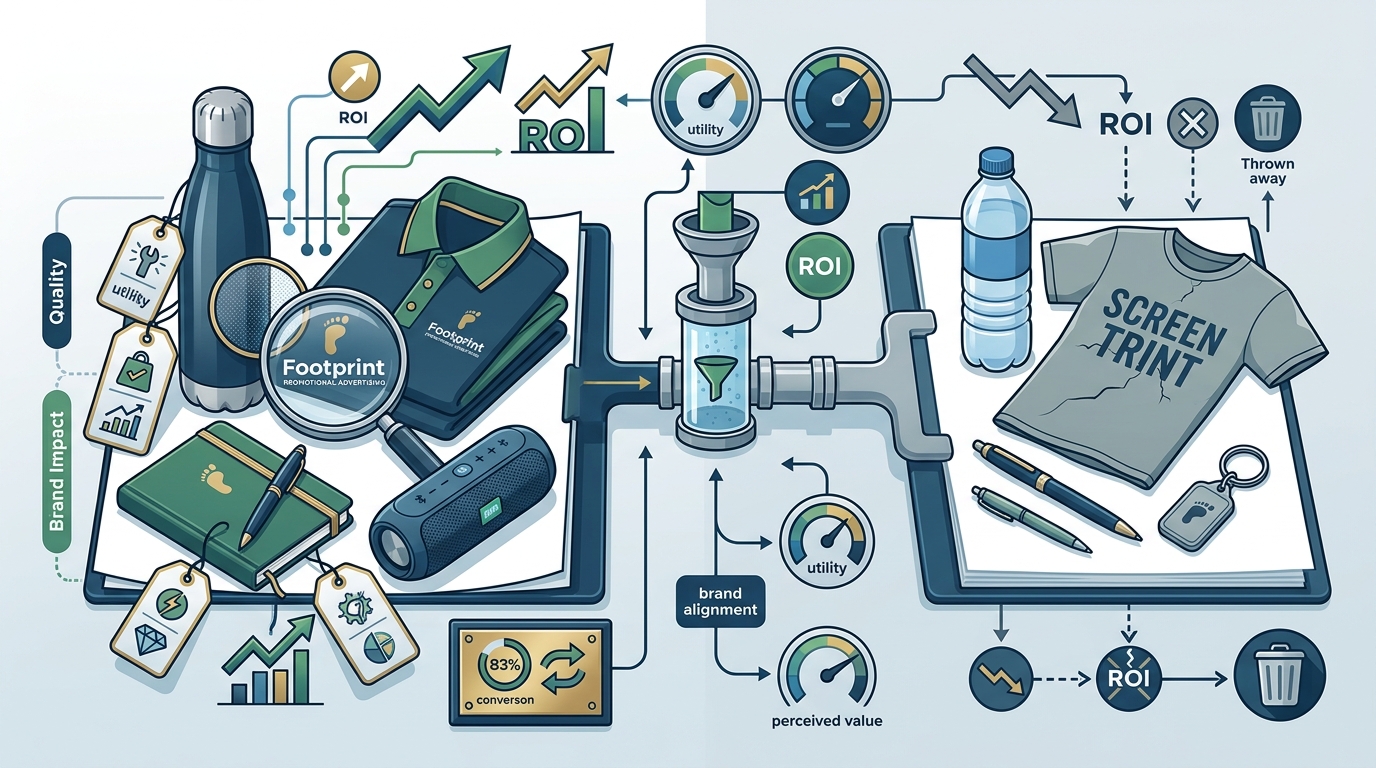
When evaluating promotional products, the primary metric is always return on investment. Unlike digital ads that disappear after a click, physical items remain in the consumer's environment for weeks or months. This longevity creates repeated brand exposure. Research indicates that the average promotional product is kept for over six months, providing continuous visibility.
To maximize this exposure, the item must be useful. Consumers discard items they do not need. Therefore, the evaluation process must start with utility. Does the item solve a problem? Does it enhance daily life? Items like high-quality drinkware or durable bags often outperform novelty items because they integrate into the user's routine. This integration ensures that your brand logo is seen repeatedly, reinforcing brand recall.
Furthermore, the perceived value of the item matters. A cheap pen may be discarded quickly, while a premium insulated tumbler is cherished. The perceived value directly correlates with the positive association consumers form with your brand. When you invest in quality, you signal that you value your customers. This signal builds trust and loyalty, which are essential for long-term business success.
Quality Metrics and Material Selection
Quality is the cornerstone of effective promotional marketing. A low-quality item can damage your brand reputation more than it helps it. Evaluating quality involves examining materials, construction, and finish. For apparel, this means looking at fabric weight, stitch density, and colorfastness. For drinkware, it involves checking insulation capabilities and lid durability.
Apparel Fabrication Standards
When selecting promotional apparel, understanding fabric types is crucial. Cotton offers breathability and comfort, making it ideal for casual wear. Polyester blends provide durability and moisture-wicking properties, suitable for active environments. Evaluating the GSM (grams per square meter) helps determine the weight and feel of the garment. Higher GSM usually indicates a heavier, more premium feel.
Drinkware DurabilityDrinkware is one of the most popular categories for promotional items. However, not all tumblers are created equal. Evaluating the vacuum seal integrity is essential for temperature retention. Stainless steel options generally outperform plastic in terms of durability and environmental impact. Additionally, the finish of the exterior, whether matte, glossy, or textured, affects the tactile experience and perceived value.
Eco-Friendly Materials
Sustainability is no longer optional. Consumers increasingly prefer brands that demonstrate environmental responsibility. Evaluating products for eco-friendly materials, such as recycled plastics or organic cotton, can enhance your brand image. Items made from post-consumer recycled content not only reduce waste but also appeal to environmentally conscious buyers. This alignment with consumer values can significantly boost brand perception.
Decoration Methods and Brand Visibility
The method used to apply your logo impacts both the aesthetic appeal and the longevity of the branding. Evaluating decoration methods requires balancing cost, durability, and design complexity. The three primary methods are screen printing, embroidery, and direct-to-garment printing.
Screen Printing
Screen printing is the most common method for apparel. It involves pushing ink through a mesh screen onto the fabric. This method is cost-effective for large orders and produces vibrant, durable colors. However, it has limitations on color gradients and fine details. For bold logos with solid colors, screen printing is the superior choice.
Embroidery
Embroidery involves stitching thread directly into the fabric. It offers a premium, textured look that conveys professionalism and quality. Embroidery is highly durable and withstands repeated washing without fading. It is ideal for hats, polos, and jackets. However, it is generally more expensive than screen printing and may not be suitable for all fabric types.
Direct-to-Garment (DTG)
DTG printing uses inkjet technology to print designs directly onto the garment. This method allows for full-color, detailed designs without the setup costs of screen printing. It is ideal for small orders or complex artwork. However, the durability of DTG prints may vary depending on the fabric and ink quality. Evaluating the specific use case helps determine the best decoration method.
Strategic Product Categories
Selecting the right product category depends on your target audience and campaign goals. Different industries and demographics respond to different types of items. Evaluating these categories helps ensure your promotional efforts reach the right people.
| Category | Best For | Key Considerations |
|---|---|---|
| Apparel | Brand visibility, team building | Sizing, fabric comfort, decoration method |
| Drinkware | Long-term exposure, utility | Insulation, lid type, material durability |
| Bags & Totes | Everyday carry, eco-friendly appeal | Capacity, strap comfort, material strength |
| Tech Accessories | Corporate gifts, high perceived value | Compatibility, brand reputation of tech |
| Awards | Recognition, client appreciation | Material prestige, engraving quality |
Apparel remains a staple for brand visibility. When worn, it turns individuals into walking billboards. Drinkware offers daily utility, ensuring your brand is part of the consumer's morning routine. Bags and totes are practical and increasingly popular due to their eco-friendly nature. Tech accessories provide high perceived value and are excellent for corporate gifts. Awards serve a different purpose, focusing on recognition and appreciation rather than broad marketing.
Selecting the Right Partner
Evaluating promotional products also involves selecting the right vendor. A reliable partner ensures quality, timely delivery, and competitive pricing. When choosing a vendor, consider their product range, customization options, and customer service.
Product Range and Availability
A comprehensive product catalog allows for greater flexibility in campaign planning. Look for vendors that offer a wide range of items across multiple categories. This breadth ensures you can find the perfect item for any occasion, from trade shows to corporate holidays. Additionally, check for availability of popular brands and eco-friendly options.
Customization and Design Support
Effective customization requires expert design support. Vendors that offer graphic design services can help refine your logo and artwork for optimal printing. They should also provide proofs before production to ensure accuracy. This support minimizes errors and ensures the final product meets your expectations.
Delivery and Logistics
Timely delivery is critical for promotional campaigns. Delays can result in missed opportunities and wasted resources. Evaluate the vendor's logistics capabilities and track record for on-time delivery. Clear communication about production timelines and shipping options is essential for planning.
Key Takeaways
- High Consumer Engagement: 83% of consumers are more likely to do business with a brand after receiving a promotional product, highlighting the direct impact on sales potential.
- Longevity of Exposure: The average promotional product is kept for over six months, providing sustained brand visibility compared to transient digital ads.
- Quality Drives Perception: High-quality materials and construction signal brand value, while low-quality items can damage reputation.
- Decoration Matters: Screen printing offers durability for large orders, while embroidery provides a premium feel for corporate apparel.
- Eco-Friendly Options: Sustainable materials like recycled content appeal to environmentally conscious consumers and enhance brand image.
- Strategic Selection: Matching product utility to audience needs ensures higher retention and engagement rates.
- Vendor Reliability: Partnering with a vendor like Footprint Promo ensures competitive pricing and on-time delivery.
Frequently Asked Questions
How do I measure the ROI of promotional products?
Track usage of unique promo codes, QR codes, or dedicated landing pages associated with the items. Monitor increases in brand recall through surveys and measure conversion rates from leads generated via these campaigns.
What is the most durable decoration method for apparel?
Embroidery is generally the most durable method as it stitches thread into the fabric, resisting fading and washing. Screen printing is also durable but may crack over time with heavy use.
Are eco-friendly promotional products more expensive?
Eco-friendly items can sometimes have a higher upfront cost due to sustainable sourcing and production methods. However, the long-term brand value and consumer appeal often justify the investment.
How long does it take to produce custom promotional items?
Production times vary by item and quantity. Typically, apparel and drinkware can take 2-4 weeks for production and shipping. It is best to plan ahead and consult with your vendor for specific timelines.
What is the difference between CMYK and PMS colors?
CMYK is used for full-color printing with gradients, while PMS (Pantone Matching System) ensures exact color matches for solid colors. PMS is ideal for brand consistency.
Why is vector art preferred for printing?
Vector art uses mathematical equations to define shapes, allowing it to be scaled to any size without losing quality. Raster images, made of pixels, can become blurry when enlarged.
How can I ensure my promotional items are useful?
Choose items that solve a problem or enhance daily life for your target audience. Conduct market research to understand their needs and preferences before selecting products.
What services does Footprint Promo offer?
Footprint Promo offers a wide range of promotional products, website design, graphic and logo design, and marketing services. Visit their services page for more details.
Get Your Custom Quote
Evaluating promotional products is a strategic process that requires careful consideration of ROI, quality, and brand alignment. By selecting high-utility items and partnering with a reliable vendor, you can maximize the impact of your marketing efforts. Contact Footprint Promo today to discuss your needs and receive a custom quote. Our team is ready to help you create a campaign that drives results and builds lasting brand loyalty.