

Essential Criteria for Selecting Branded Merchandise With Measurable Impact
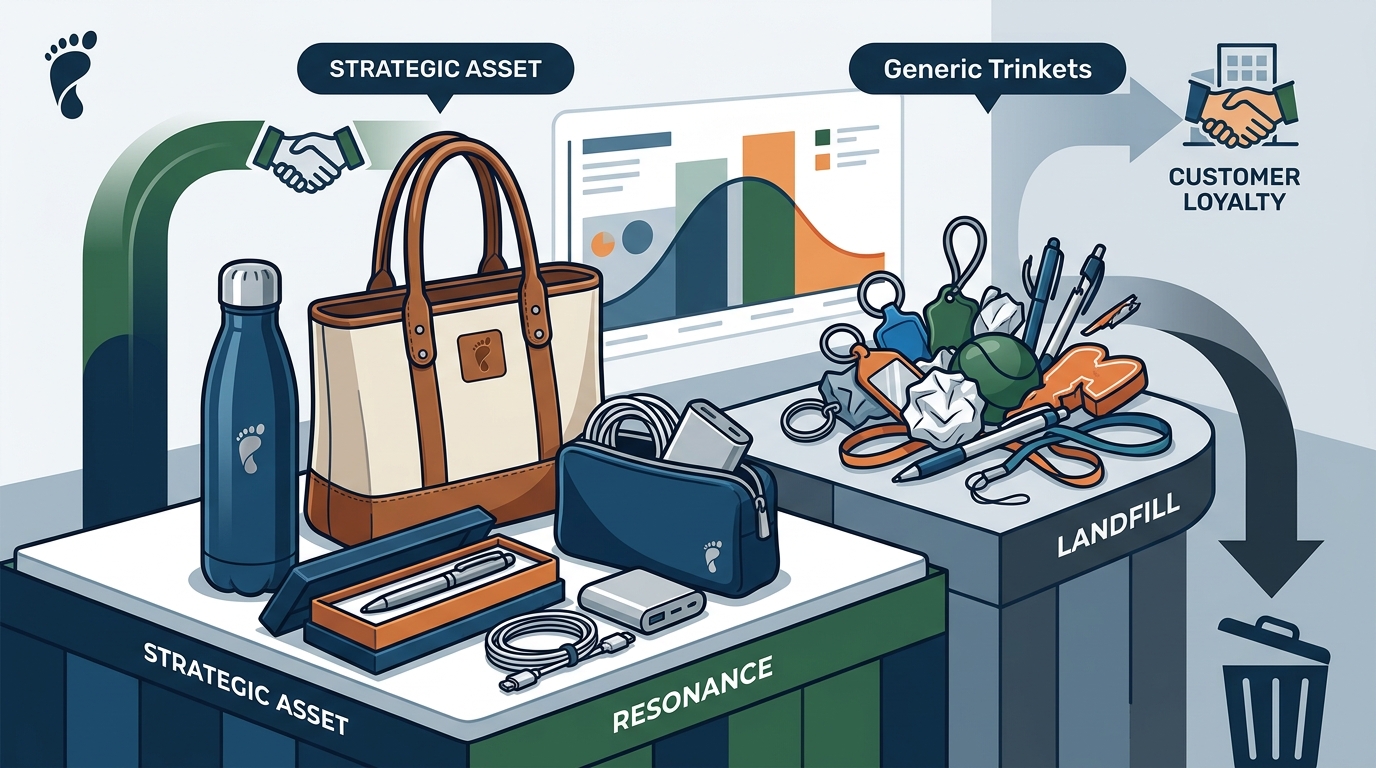
Promotional products are not merely giveaways; they are strategic assets designed to drive brand recall and customer loyalty. Research indicates that 83% of consumers are more likely to do business with a brand after receiving a promotional product. This statistic underscores the critical importance of selecting items that resonate with your target audience rather than distributing generic trinkets that end up in landfills. To maximize return on investment, businesses must evaluate merchandise based on utility, quality, sustainability, and alignment with brand values. This guide outlines the essential criteria for choosing branded merchandise that delivers measurable impact.
Understanding Promotional ROI and Consumer Behavior
Before selecting specific items, it is vital to understand the psychological impact of branded merchandise. Promotional products serve as tangible touchpoints that keep your brand top-of-mind. When a consumer uses a branded item daily, such as a water bottle or a pen, they are exposed to your logo repeatedly. This repeated exposure builds familiarity and trust. According to industry data, the average keep rate for useful promotional items is significantly higher than for decorative ones. Therefore, the first step in selection is identifying items that your audience will actually use.
Measuring impact involves tracking metrics such as brand recall, lead generation, and customer acquisition cost. By choosing high-quality, useful items, you increase the likelihood that recipients will retain the product and engage with your brand. This engagement can be measured through unique promo codes, QR codes, or dedicated landing pages linked to the merchandise. Understanding these dynamics allows you to allocate your budget more effectively and choose items that drive real business results.
Criteria 1: Utility and Long-Term Keep Rate
Utility is the most critical factor in determining the longevity of branded merchandise. Items that solve a problem or enhance daily life are kept longer and used more frequently. For example, tech accessories like USB hubs or screen cleaners are highly valued by professionals. Similarly, drinkware such as insulated tumblers or travel mugs are used daily, providing consistent brand visibility. When evaluating utility, consider the lifestyle and needs of your target audience.
To assess the potential keep rate, look for items that are functional and durable. Avoid novelty items that may generate a momentary smile but lack practical application. Instead, focus on products that integrate seamlessly into the recipient's routine. For instance, eco-friendly tote bags are not only useful for shopping but also serve as a walking advertisement for sustainable practices. By prioritizing utility, you ensure that your brand remains visible long after the initial distribution.
Criteria 2: Quality and Brand Perception
The quality of your promotional products directly reflects your brand's image. Low-quality items can damage your reputation and suggest that you do not value your customers. Conversely, high-quality merchandise demonstrates your commitment to excellence and attention to detail. When selecting items, consider the materials, construction, and overall finish. Brands like Yeti and North Face are known for their durability and premium feel, making them excellent choices for high-end promotional campaigns.
Investing in quality does not necessarily mean spending more money. Many affordable items can still offer excellent durability and performance. For example, Port & Company apparel offers a balance of comfort, durability, and cost-effectiveness. By choosing reputable brands and materials, you create a positive association between your brand and the recipient's experience. This association can lead to increased trust and loyalty, ultimately driving more business opportunities.
Criteria 3: Sustainability and Eco-Friendly Materials
Sustainability is increasingly important to consumers and businesses alike. Eco-friendly promotional products not only reduce environmental impact but also align your brand with modern values. Items made from recycled materials, such as recycled polyester bags or bamboo utensils, are popular choices for environmentally conscious audiences. These products demonstrate your commitment to sustainability and can enhance your brand's reputation.
When selecting eco-friendly merchandise, look for certifications and transparent sourcing practices. Products that are biodegradable, compostable, or made from post-consumer waste are ideal. Additionally, consider the lifecycle of the product. Items that are durable and long-lasting reduce the need for frequent replacements, further minimizing environmental impact. By prioritizing sustainability, you appeal to a growing segment of consumers who prioritize ethical consumption.
Criteria 4: Customization and Decoration Methods
Effective customization ensures that your brand message is clear and impactful. The choice of decoration method depends on the item's material, shape, and desired aesthetic. Common methods include screen printing, embroidery, and digital printing. Each method has its own advantages and limitations. For example, screen printing is cost-effective for large orders and offers vibrant colors. Embroidery adds a premium feel and is ideal for apparel and hats.
When planning customization, consider the complexity of your design and the number of colors required. Simple designs with fewer colors are generally more cost-effective and easier to reproduce. Additionally, ensure that your logo and brand colors are accurately represented. Working with a partner like Footprint Promotional Advertising can help you navigate these decisions and choose the best decoration method for your needs. Their expertise in CMYK vs PMS match and vector vs raster art ensures that your brand is represented accurately.
Comparing Merchandise Options for Your Campaign
Selecting the right merchandise requires comparing various options based on your specific goals and budget. The table below outlines common promotional product categories and their key characteristics.
| Category | Best For | Key Benefits | Popular Brands |
|---|---|---|---|
| Apparel | Brand visibility and team unity | High utility, wearable advertising | Gildan, Bella + Canvas, Nike |
| Drinkware | Daily use and retention | Long-term exposure, practical | Yeti, OtterBox, Columbia |
| Bags & Totes | Eco-friendly messaging | Reusable, walking billboard | Cotopaxi, Independent Trading |
| Tech Accessories | Professional audiences | High perceived value, utility | Ogio, OtterBox |
| Awards & Plaques | Recognition and appreciation | Premium feel, lasting impression | Crystal, Marble, Metal options |
Each category offers unique advantages depending on your campaign goals. For example, apparel is ideal for creating a sense of community among employees or customers. Drinkware is perfect for long-term brand exposure. Tech accessories appeal to professionals and offer high perceived value. By understanding these distinctions, you can make informed decisions that align with your marketing objectives.
Key Takeaways
- 83% of consumers are more likely to do business with a brand after receiving a promotional product, highlighting the importance of strategic selection.
- Utility drives retention; items that solve problems or enhance daily life are kept longer and used more frequently.
- Quality reflects brand image; investing in durable, high-quality materials demonstrates commitment to excellence.
- Sustainability matters; eco-friendly products made from recycled materials appeal to environmentally conscious consumers.
- Customization is key; choosing the right decoration method ensures accurate brand representation and cost-effectiveness.
- Footprint Promotional Advertising offers a wide range of products, from apparel to tech, with expert guidance on decoration and design.
- Measurable impact requires tracking metrics like brand recall and lead generation to evaluate campaign success.
Frequently Asked Questions
How do I measure the impact of my promotional products?
You can measure impact by tracking metrics such as brand recall surveys, lead generation from unique promo codes, and customer acquisition costs. Additionally, monitor social media engagement and website traffic from dedicated landing pages linked to the merchandise.
What is the difference between CMYK and PMS color matching?
CMYK (Cyan, Magenta, Yellow, Key/Black) is used for full-color printing and is ideal for complex designs with gradients. PMS (Pantone Matching System) uses specific ink colors to ensure brand consistency and is best for logos and simple designs requiring precise color accuracy.
Are eco-friendly promotional products more expensive?
While some eco-friendly items may have a higher upfront cost, they often provide long-term value by aligning with consumer values and reducing environmental impact. Many affordable options, such as recycled paper products or basic tote bags, offer cost-effective sustainable choices.
How do I choose the right decoration method for my merchandise?
Consider the item's material, shape, and your design complexity. Screen printing is cost-effective for large orders and vibrant colors. Embroidery adds a premium feel to apparel and hats. Digital printing is ideal for detailed, full-color designs. Consult with experts to determine the best method for your specific needs.
What types of promotional products are best for corporate gifts?
High-quality drinkware, executive notebooks, and tech accessories are popular choices for corporate gifts. These items offer utility and a premium feel, making them suitable for clients, partners, and employees. Footprint Promotional Advertising offers a curated selection of corporate holiday gifts and executive items.
Can I get custom designs for my promotional products?
Yes, most promotional product suppliers offer customization services. You can upload your own artwork or work with their design team to create a custom design. Ensure your artwork is in vector format for the best results. Footprint Promotional Advertising provides graphic and logo design services to help you create impactful custom merchandise.
How does Footprint Promotional Advertising ensure on-time delivery?
Footprint Promotional Advertising prioritizes on-time delivery by maintaining efficient production processes and close communication with clients. They offer competitive pricing and reliable service to ensure your promotional products arrive when needed. Contact their team for specific delivery timelines and project management support.
Partner With Footprint Promotional Advertising
Selecting the right branded merchandise is a strategic decision that can significantly impact your brand's visibility and customer loyalty. By focusing on utility, quality, sustainability, and effective customization, you can create promotional products that deliver measurable results. Footprint Promotional Advertising offers a comprehensive range of products and expert guidance to help you make informed decisions. Visit our Promotional Products page to explore our catalog, or contact us at Contact Us to discuss your specific needs. Let us help you create a lasting impression with your next campaign.