

Integrating Promotional Products into a Holistic Marketing Strategy
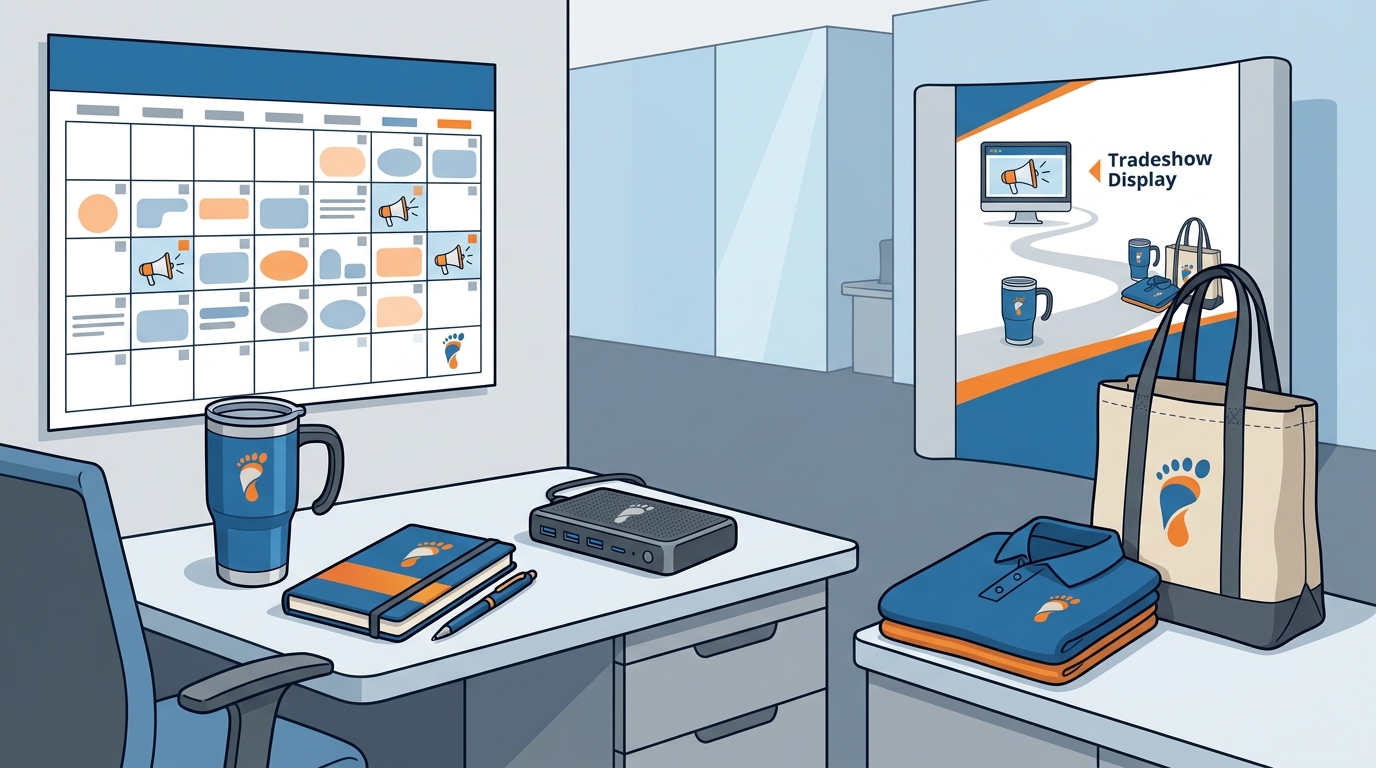
Promotional products function as a persistent, physical extension of a brand's digital and traditional marketing efforts. By placing a logo on items that customers use daily, businesses create recurring touchpoints that reinforce messaging and drive long-term recall. This approach transforms a one-time transaction into an ongoing relationship, ensuring that brand visibility extends well beyond the initial point of sale. For additional details, review the About Footprint Promo Footprint.
Building Brand Recall Through Daily Utility
The primary value of branded merchandise lies in its ability to occupy the daily lives of consumers. Unlike digital ads that disappear after a few seconds of screen time, physical items remain in the hands of users for months or even years. This sustained exposure builds a subconscious familiarity that makes the brand a top-of-mind choice when purchasing decisions occur.
For example, a high-quality insulated travel mug used during a morning commute serves as a constant visual reminder of the company that provided it. This daily utility ensures that the brand is not just seen, but integrated into the routine of the recipient. The implication is that marketing budgets spent on durable goods yield a higher return on investment over time compared to ephemeral media placements.
Footprint Promotional Advertising emphasizes that the choice of product must align with the recipient's lifestyle. When the item is genuinely useful, the recipient is more likely to keep it, thereby extending the lifespan of the marketing message. This strategic alignment ensures that the physical asset continues to generate impressions long after the initial distribution event.
Enhancing Employee Engagement and Recruitment
Internal marketing is a critical component of a broader strategy, and branded apparel plays a significant role in fostering company culture. When employees wear company-branded clothing, they become walking billboards that signal pride and unity. This internal cohesion often translates into better customer service and a stronger external brand perception.
Consider a manufacturing firm that provides high-quality workwear to its staff. The durability and comfort of the gear reflect the company's commitment to its employees, which is a powerful message to potential recruits. This tangible demonstration of care helps differentiate the organization in a competitive labor market. The result is a workforce that feels valued and a brand that appears stable and professional to the outside world.
Supporting Trade Show and Event Visibility
Trade shows and industry events are high-cost environments where brands compete for limited attention. Promotional products serve as a tangible takeaway that allows attendees to remember a company long after the booth is dismantled. A well-chosen giveaway can differentiate a brand from competitors who rely solely on digital brochures or generic swag.
For instance, a tech company distributing custom-branded power banks at a conference provides a solution to a common attendee problem. This practical gift is more likely to be kept and used than a standard pen or notepad. The strategic implication is that the brand remains associated with a positive experience and a useful solution, rather than being discarded as clutter.
Events provide a unique opportunity to combine physical and digital marketing. By including QR codes on promotional items, companies can bridge the gap between the physical item and their digital presence. This integration allows for measurable tracking of engagement, providing data on how the physical item influences online behavior.
Aligning with Sustainability and Corporate Values
Modern consumers and employees increasingly expect brands to demonstrate environmental responsibility. Incorporating eco-friendly promotional products into a marketing strategy signals a commitment to sustainability that aligns with broader corporate social responsibility goals. This alignment can enhance brand reputation and attract like-minded customers and partners.
A financial institution that distributes recycled paper notebooks or organic cotton tote bags reinforces its message of stewardship and long-term thinking. This choice of material communicates values that resonate with a specific demographic. The implication is that the marketing message is not just about the product, but about the principles behind it, creating a deeper emotional connection.
Measuring Impact and Optimizing Strategy
While promotional products are often viewed as a soft metric, they can be integrated into a measurable marketing framework. By tracking the usage and retention of specific items, companies can gain insights into which products resonate most with their target audience. This data informs future purchasing decisions and helps optimize the overall marketing mix.
For example, a retail brand might survey customers about the branded items they have received and how often they use them. This feedback loop provides qualitative and quantitative data on the effectiveness of different product categories. The implication is that marketing teams can shift their focus toward items that drive the highest engagement and retention rates.
Integrating promotional products into a broader strategy requires a holistic view of all marketing channels. By ensuring that the physical items complement digital, print, and event marketing, companies create a cohesive brand experience. This unified approach ensures that every touchpoint reinforces the same core message, maximizing the impact of the overall marketing investment.
Key Takeaways
- Promotional products provide sustained brand exposure through daily utility, unlike ephemeral digital ads.
- Practical event giveaways differentiate a brand and create lasting impressions at trade shows.
- Eco-friendly merchandise aligns marketing efforts with corporate sustainability values.
- Tracking product usage and retention allows for data-driven optimization of the marketing mix.
- Consistency between physical and digital channels creates a cohesive brand narrative.
Frequently Asked Questions
How do promotional products differ from traditional advertising?
Promotional products are physical items that remain in the possession of the user, providing recurring exposure over time. Traditional advertising, such as TV or digital ads, is typically transient and disappears after the initial viewing. This difference makes promotional products a long-term asset in a marketing strategy.
What types of products are best for employee engagement?
Durable and comfortable items like high-quality apparel, workwear, and tech accessories are ideal for employee engagement. These items are used daily, which reinforces a sense of belonging and pride in the company. The key is to select products that are genuinely useful and well-made.
Can promotional products be tracked for ROI?
Yes, by using unique QR codes or tracking links on items, companies can measure how often the item is used and how it drives traffic to digital platforms. This data helps quantify the impact of physical marketing assets and informs future budget allocation.
How does sustainability fit into a promotional product strategy?
Choosing eco-friendly materials and production methods aligns the marketing effort with corporate social responsibility goals. This demonstrates a commitment to environmental stewardship and can enhance brand reputation among conscious consumers and employees.
What is the role of a promotional products company in marketing strategy?
A specialized company provides strategic recommendations based on marketing goals, target audience, and budget. They help select products that create measurable value and ensure that the physical assets align with the broader brand narrative.