
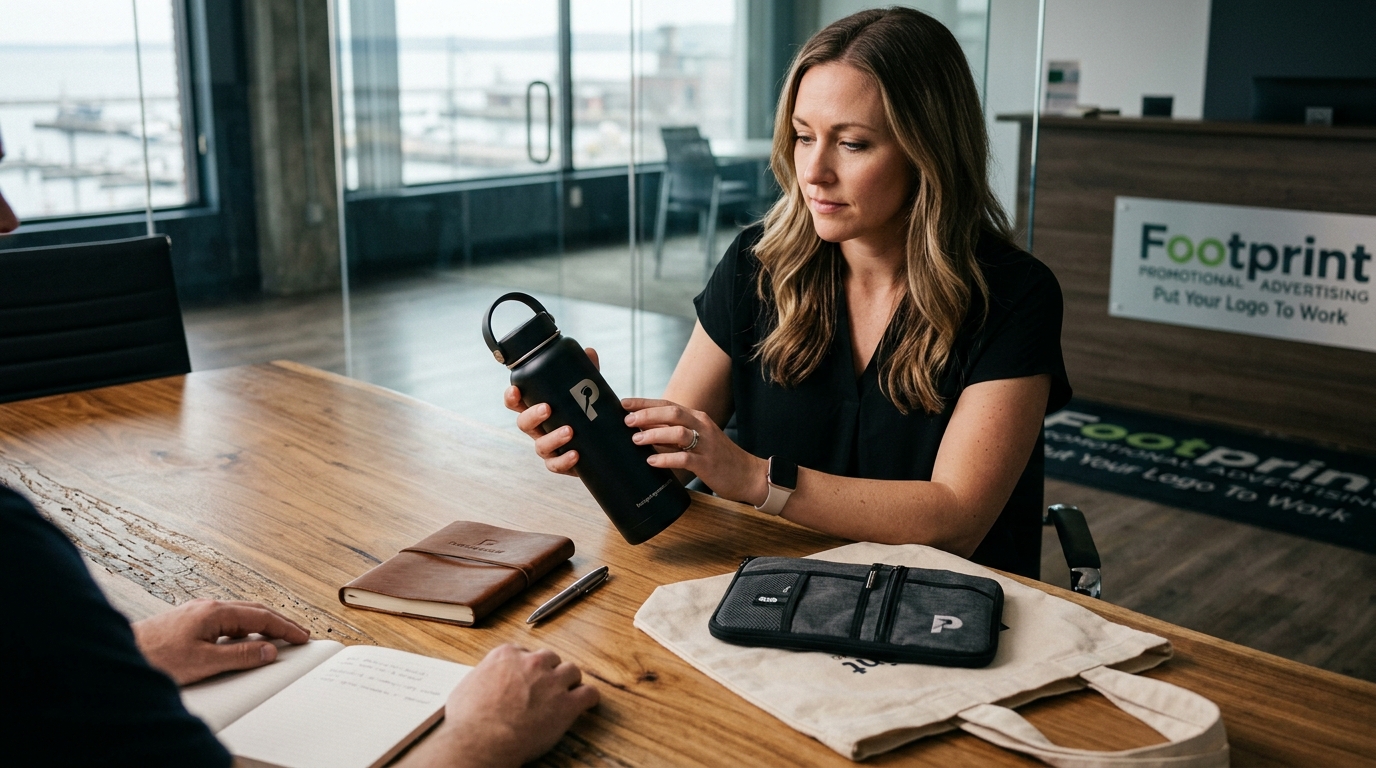
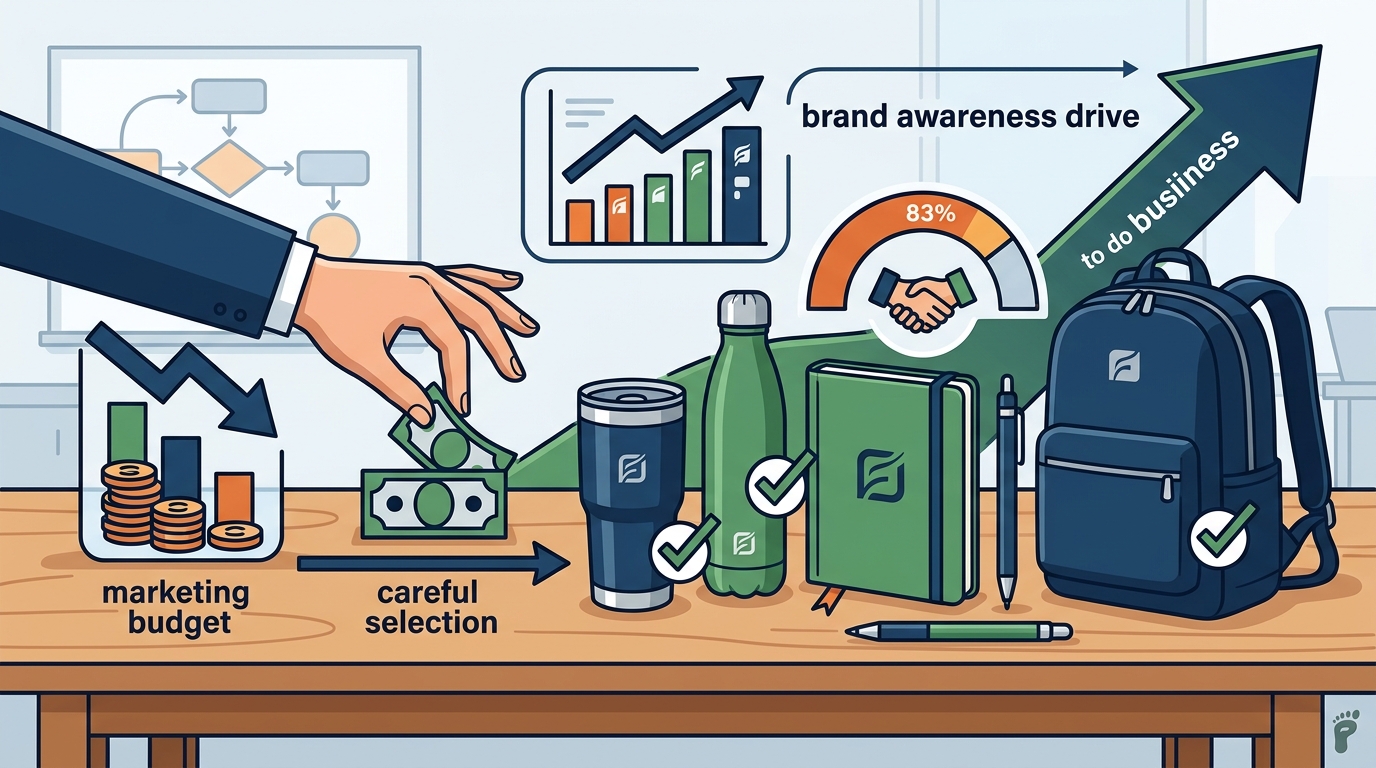
Marketing budgets are shrinking, yet the demand for tangible brand engagement is higher than ever. According to recent industry data, 83% of consumers are more likely to do business with a brand after receiving a promotional product. This statistic highlights a critical shift in consumer psychology: people value utility and physical connection over digital noise. For business owners and marketing directors, the challenge is no longer whether to use swag, but how to select items that actually generate a return on investment. This guide provides a definitive framework for choosing promotional products that align with your brand identity, budget, and strategic goals.
Understanding Your Core Objectives
Before browsing catalogs, you must define the primary purpose of your promotional campaign. Are you launching a new product? Celebrating a corporate milestone? Or simply maintaining top-of-mind awareness with existing clients? The objective dictates the product selection.
Promotional products are tangible brand ambassadors. Unlike digital ads that disappear after a click, a well-chosen item stays in the user's environment for months or years. If your goal is long-term brand recall, utility is paramount. Items like high-quality drinkware or tech accessories have longer lifespans than disposable flyers. Conversely, if your goal is immediate event engagement, such as at a trade show, lower-cost items like pens or stress balls might suffice for high-volume distribution.
Footprint Promotional Advertising specializes in aligning these objectives with the right inventory. By focusing on marketing and traditional advertising strategies, they help businesses ensure that every item distributed serves a strategic purpose rather than just filling a bag.
Knowing Your Audience and Context
The most expensive item in the catalog is a waste if it does not resonate with the recipient. You must analyze who will receive the product and in what context. A corporate executive gift requires a different tone and quality level than a youth sports team giveaway.
Consider the lifestyle of your recipient. Do they work in an office, on a construction site, or remotely? Contextual relevance increases perceived value. For example, eco-friendly bags appeal to environmentally conscious consumers, while rugged workwear appeals to industrial clients. Understanding these nuances ensures that your brand is associated with appropriateness and thoughtfulness.
When selecting items for specific demographics, look at the Shop By Theme collections. Whether you are targeting healthcare professionals with health-focused kits or golf enthusiasts with branded apparel, tailoring the selection to the audience is the first step toward engagement.
Evaluating Key Product Categories
The breadth of promotional products available can be overwhelming. To simplify the selection process, categorize potential items by their utility and longevity. Below is a breakdown of high-impact categories available through specialized distributors.
| Category | Best Use Case | Longevity Factor | Top Brands Available |
|---|---|---|---|
| Apparel | Corporate events, team building, trade shows | High (Worn frequently) | Nike, Under Armour, Gildan |
| Tech | Executive gifts, high-value client retention | Medium-High (Daily use) | OtterBox, Logitech (via partners) |
| Drinkware | Office gifts, conference swag | Very High (Daily hydration) | Yeti, Columbia, OtterBox |
| Bags & Totes | Trade shows, eco-campaigns | High (Daily carry) | Cotopaxi, North Face |
| Awards | Employee recognition, client appreciation | Permanent (Display piece) | Crystal, Marble, Metal options |
For apparel, understanding the fabric is crucial. Visit the Your Guide to Promotional Apparel Fabrics, Styles & Decoration Methods to learn how materials like cotton, polyester, and blends affect comfort and print quality. High-quality fabrics reflect positively on your brand, while cheap materials can damage your reputation.
Decoration Methods and Branding
How you apply your logo determines the durability and aesthetic of the promotional product. The two primary methods are screen printing and embroidery, each with distinct advantages.
Screen printing is ideal for flat surfaces like t-shirts, mugs, and bags. It offers vibrant colors and is cost-effective for large orders. However, it has limitations on fabric texture and color complexity. For detailed logos or multi-color designs, you must understand the difference between Vector vs Raster art to ensure your graphics are print-ready.
Embroidery is typically used for hats, polos, and jackets. It provides a premium, textured look that conveys professionalism and durability. Embroidery is more expensive than screen printing but adds significant perceived value. When choosing between these methods, consider the CMYK vs PMS Match requirements for your brand colors to ensure accuracy.
Footprint Promo offers comprehensive promotional apparel decoration services to help you navigate these technical details. Their team can advise on the best method for your specific product to ensure your logo remains intact through countless washes and uses.
Balancing Budget with Quality
One of the most common mistakes in promotional product selection is prioritizing low cost over quality. A cheap pen that stops working after a week becomes trash, and your logo becomes associated with that negative experience. Conversely, a high-quality item that recipients keep for years provides continuous brand exposure.
Calculate the cost per impression. If a $20 jacket is worn 100 times a year for five years, the cost per impression is fractions of a cent. This is far more efficient than a $0.50 pen that is discarded after a month. When planning your budget, factor in not just the unit cost, but also setup fees, shipping, and potential rush charges.
Footprint Promotional Advertising is known for providing competitive prices without compromising on quality. Their focus on on-time delivery and reliable partnerships with top brands like Adidas, Bella + Canvas, and Port & Company ensures that you get the best value for your investment.
The Role of Sustainability
Modern consumers are increasingly aware of environmental impact. Using eco-friendly promotional products is no longer just a niche trend; it is a brand imperative. Recycled materials, biodegradable packaging, and ethically sourced products resonate deeply with today's audience.
Consider the Eco-Friendly collection when planning your next campaign. Items made from recycled plastic bottles, organic cotton, or bamboo demonstrate your company's commitment to sustainability. This alignment with consumer values can significantly enhance brand loyalty and trust.
Furthermore, choosing Made In USA products supports local economies and reduces the carbon footprint associated with international shipping. This is a powerful narrative to share with your clients and partners.
Key Takeaways
- Utility Drives Recall: Items that serve a daily function, like drinkware or tech accessories, provide the highest long-term brand visibility.
- Audience Alignment: Always tailor product selection to the lifestyle and preferences of your specific recipient group.
- Quality Over Quantity: A fewer number of high-quality items is more effective than a large volume of disposable goods.
- Decoration Matters: Choose between screen printing and embroidery based on the product material and desired aesthetic.
- Eco-Conscious Choices: Sustainable products enhance brand reputation and appeal to environmentally aware consumers.
- Strategic Partnerships: Work with distributors like Footprint Promo who offer a wide range of top-tier brands and expert guidance.
- Clear Objectives: Define the goal of your campaign before selecting products to ensure strategic alignment.
Frequently Asked Questions
How do I choose the right promotional product for my brand?
Start by defining your campaign objective and analyzing your audience's lifestyle. Choose items that are useful to them and align with your brand values. Consult with experts at Footprint Promo for personalized recommendations.
What is the difference between screen printing and embroidery?
Screen printing is best for flat surfaces and vibrant colors, while embroidery offers a premium, textured look ideal for hats and jackets. The choice depends on the product material and your brand's aesthetic.
Are eco-friendly promotional products more expensive?
Eco-friendly items can sometimes have a higher upfront cost, but they often provide greater perceived value and brand loyalty. The long-term benefits of sustainability usually outweigh the initial price difference.
How many units should I order for a trade show?
Order enough to cover expected attendance plus a buffer for walk-ins. For high-traffic events, consider lower-cost items like pens or stickers for mass distribution, and reserve higher-quality items for qualified leads.
Can I get rush delivery for my promotional products?
Yes, many distributors offer rush delivery options. However, it is best to plan ahead to avoid additional fees and ensure quality control. Contact Footprint Promo to discuss your timeline.
What brands does Footprint Promo carry?
Footprint Promo carries a wide range of top brands including Nike, Adidas, Yeti, Columbia, Bella + Canvas, and many others. Browse the Shop By Brand section for a complete list.
How do I ensure my logo looks good on a product?
Provide high-resolution vector files to your distributor. They can advise on the best decoration method and placement to ensure your logo is clear and durable.
Get Your Custom Quote Today
Ready to elevate your brand with high-impact promotional products? Footprint Promotional Advertising offers a comprehensive catalog of top-tier brands and expert design services. Whether you need corporate gifts, trade show swag, or eco-friendly items, their team is ready to help you make the right choice. Visit Contact Us to get started or explore the All Products catalog online.