

How to Source and Distribute Employee Appreciation Merchandise for Onboarding and Recognition Programs
Employee retention remains a critical challenge for modern organizations, with SHRM reports indicating that turnover costs can reach up to 213% of an employee's annual salary. In this high-stakes environment, tangible gestures of appreciation have emerged as a powerful tool for building loyalty. According to recent industry data, 83% of consumers are more likely to do business with a brand after receiving a promotional product, a statistic that translates directly to internal employee engagement when those products are high-quality branded merchandise. This guide outlines the strategic approach to sourcing, customizing, and distributing employee appreciation items that resonate with your workforce. (About Footprint Promo Footprint)
Understanding the Impact of Branded Merchandise
Employee appreciation is not merely a perk; it is a strategic investment in human capital. When organizations provide branded merchandise, they are reinforcing company culture and fostering a sense of belonging. The visibility of these items extends beyond the office walls, turning employees into brand ambassadors. This dual benefit amplifies the return on investment for HR budgets. (Quick Guides Footprint Promotional)
Branded apparel and accessories serve as daily reminders of organizational values. When an employee wears a company hoodie or uses a branded water bottle, they are physically engaging with the brand identity. This physical connection strengthens emotional ties to the company. Research suggests that personalized gifts significantly boost morale and job satisfaction. The key lies in selecting items that employees will actually use and value.
Furthermore, the timing of distribution plays a crucial role in perception. Items given during onboarding set the tone for the new hire experience. Those provided during recognition programs validate long-term contributions. Both scenarios require careful planning to ensure the merchandise aligns with the intended message. A well-executed strategy can reduce turnover and enhance employer branding.
Strategic Sourcing and Vendor Selection
Finding the right partner for promotional products is the foundation of a successful appreciation program. You need a vendor that offers a wide range of high-quality items, reliable customization options, and competitive pricing. Footprint Promotional Advertising specializes in creating custom, high-quality promotional products that get your business noticed. Their extensive catalog includes everything from apparel to tech accessories, making them a versatile partner for HR teams.
When evaluating vendors, consider their ability to handle large orders with tight deadlines. Onboarding programs often require bulk shipments to multiple locations simultaneously. A reliable vendor must offer on-time delivery and competitive prices to meet these demands. Additionally, look for partners who provide graphic design support. Professional artwork ensures that your logo and branding are reproduced accurately and attractively.
Another critical factor is the breadth of product categories. A comprehensive supplier allows you to mix and match items for different occasions. For example, you might choose durable drinkware for daily use and premium outerwear for winter recognition awards. Access to a wide selection simplifies the sourcing process and ensures consistency in quality. It also allows for greater flexibility in budget allocation.
Finally, verify the vendor's commitment to customer service. Dedicated account managers can streamline the ordering process and resolve issues quickly. This level of support is invaluable when managing complex distribution logistics. A proactive vendor acts as an extension of your HR team, helping you make informed decisions about product selection and branding.
Designing Effective Onboarding Kits
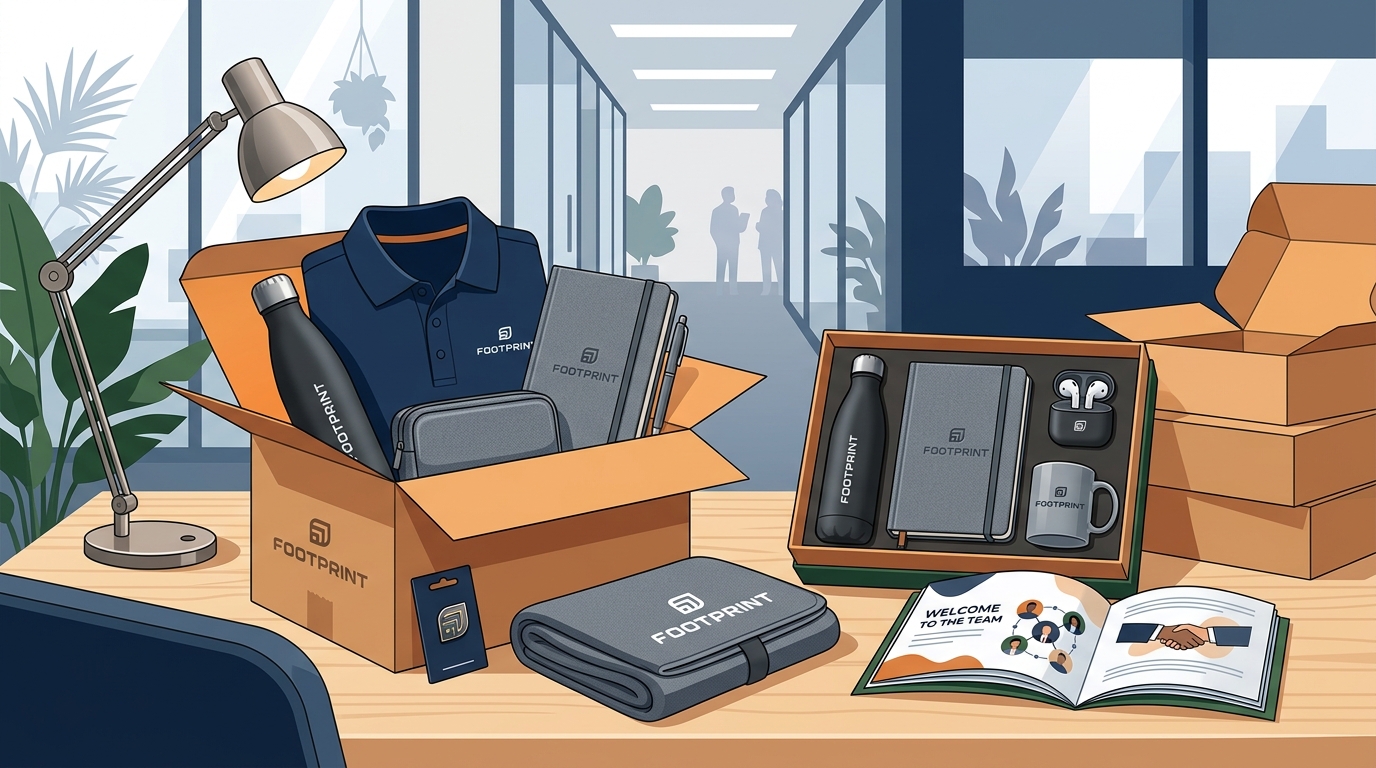
The onboarding experience sets the stage for an employee's tenure. A well-curated welcome kit can alleviate first-day anxiety and foster immediate engagement. These kits should include essential items that employees will use regularly, such as apparel, drinkware, and office supplies. The goal is to make new hires feel valued and prepared from day one.
Apparel is a cornerstone of any onboarding kit. High-quality t-shirts, polos, or hoodies provide comfort and a sense of belonging. Brands like Bella + Canvas and Gildan offer excellent options for comfortable, durable wear. Including a branded hat or visor can also be a fun addition, especially for companies with casual dress codes. These items serve as immediate identifiers of team membership.
Beyond apparel, consider including practical items like notebooks, pens, and tech accessories. These tools support daily work tasks and reinforce the company's attention to detail. A branded water bottle or travel mug encourages hydration and reduces single-use plastic waste. Tech items, such as USB hubs or screen cleaners, are particularly relevant for remote or hybrid workers.
Personalization adds a significant layer of value to onboarding kits. Including a handwritten note or a personalized name tag can make the gift feel more special. Customizing items with the employee's name or start date creates a unique keepsake. This attention to detail demonstrates that the company cares about the individual, not just the role.
Finally, ensure that the onboarding kit is delivered before the employee's start date. Having items ready upon arrival creates a seamless and impressive first impression. Coordinate with your vendor to ensure timely delivery to the correct location. A well-organized onboarding kit reflects positively on the company's operational efficiency.
Recognition Programs and Milestone Gifts
Employee recognition is vital for maintaining morale and driving performance. Branded merchandise serves as a tangible symbol of appreciation for achievements and milestones. Whether it is a work anniversary, a project completion, or a sales target, gifts should reflect the significance of the accomplishment.
Awards and plaques are traditional choices for formal recognition. Crystal or acrylic trophies convey prestige and honor. For a more modern approach, consider high-end tech accessories or executive gifts. Items from brands like Yeti or The North Face offer durability and style, appealing to a wide range of recipients. These items are not just gifts; they are lasting reminders of the employee's contribution.
Seasonal recognition programs can also leverage branded merchandise. Holiday gifts for your team, clients, and partners strengthen relationships and boost morale. Corporate holiday gifts should be thoughtful and high-quality, avoiding generic items. Eco-friendly options are increasingly popular, reflecting the company's commitment to sustainability.
Regular recognition, such as monthly or quarterly awards, keeps appreciation top-of-mind. Small, frequent gestures can be as impactful as large, annual awards. Branded stress balls, desk organizers, or coffee mugs are affordable yet meaningful options. The key is consistency and sincerity in the delivery of these gifts.
Additionally, consider peer-to-peer recognition programs where employees can nominate colleagues for appreciation. Providing a catalog of merchandise options allows employees to choose items that suit their personal preferences. This autonomy enhances the perceived value of the gift and ensures higher satisfaction rates.
Customization Methods and Branding
Effective branding is essential for maximizing the impact of promotional products. The method of customization must align with the item's material and the desired aesthetic. Common methods include screen printing, embroidery, and direct-to-garment printing. Each technique has its own strengths and limitations.
Screen printing is ideal for large orders and vibrant colors. It offers durability and a professional finish, making it suitable for t-shirts and hoodies. However, it may not be cost-effective for small quantities or complex designs. Embroidery provides a premium look and feel, often used for polos, hats, and jackets. It conveys quality and longevity, making it a popular choice for executive gifts.
Direct-to-garment printing allows for detailed, full-color designs on fabric. This method is perfect for complex graphics or photographs. It offers flexibility in design without the setup costs associated with screen printing. Understanding the differences between these methods helps in selecting the best option for each product.
Color matching is another critical aspect of branding. CMYK vs PMS match considerations ensure that your logo colors are reproduced accurately. Vector vs raster art guidelines help in preparing high-quality artwork for production. Footprint Promo offers quick guides on these topics to assist clients in preparing their designs. Proper artwork preparation prevents delays and ensures a flawless final product.
Consistency in branding across all merchandise reinforces company identity. Use the same logo placement, color palette, and font styles for all items. This uniformity creates a cohesive brand experience for employees and external audiences alike. It also demonstrates professionalism and attention to detail.
Distribution Logistics and Eco-Conscious Choices
Distributing merchandise efficiently requires careful planning and coordination. Whether shipping to a single office or multiple locations, logistics must be managed to ensure timely delivery. Working with a vendor that offers robust shipping options simplifies this process. Footprint Promo provides reliable shipping services to meet your distribution needs.
Eco-conscious choices are becoming increasingly important in corporate gifting. Employees and customers alike value sustainability. Offering eco-friendly promotional products demonstrates your company's commitment to environmental responsibility. Items made from recycled materials or produced using sustainable practices are excellent choices.
Consider the lifecycle of the merchandise. Durable items that last longer reduce waste and provide better value. High-quality apparel and drinkware are more likely to be kept and used, extending the lifespan of the brand exposure. Avoiding low-quality, disposable items aligns with modern sustainability goals.
For remote employees, direct-to-home shipping is essential. Ensure that your vendor can handle individual shipments with care and accuracy. Providing tracking information keeps employees informed and engaged. A seamless delivery experience enhances the overall appreciation gesture.
Finally, gather feedback on the merchandise received. Surveys or informal check-ins can provide valuable insights into employee preferences. Use this data to refine future sourcing and distribution strategies. Continuous improvement ensures that your appreciation programs remain effective and relevant.
Key Takeaways
- Strategic Sourcing: Partner with a comprehensive vendor like Footprint Promo for diverse, high-quality products and reliable service.
- Onboarding Impact: Curate welcome kits with apparel, drinkware, and tech to foster immediate belonging and engagement.
- Recognition Value: Use durable, premium items like Yeti drinkware or North Face apparel for milestone gifts to convey prestige.
- Branding Consistency: Utilize proper customization methods (screen printing, embroidery) and adhere to CMYK/PMS color matching for professional results.
- Eco-Conscious Gifting: Prioritize sustainable materials and durable goods to align with modern environmental values and reduce waste.
- Logistics Precision: Ensure timely delivery to multiple locations, including direct-to-home shipping for remote employees.
- Feedback Loop: Collect employee feedback on merchandise to continuously improve future appreciation programs.
Frequently Asked Questions
What is the best type of merchandise for new employee onboarding?
High-quality apparel such as t-shirts or hoodies, combined with practical items like water bottles and notebooks, is ideal for onboarding. These items are used daily and reinforce brand identity immediately.
How can I ensure my branded merchandise aligns with company sustainability goals?
Choose products made from recycled materials or organic fabrics. Look for vendors who offer eco-friendly lines and prioritize durable items that reduce long-term waste.
What are the most common customization methods for promotional apparel?
The most common methods are screen printing, embroidery, and direct-to-garment printing. Screen printing is best for large orders, embroidery for a premium look, and DTG for detailed designs.
How do I handle distribution for remote employees?
Work with a vendor that offers direct-to-home shipping services. Ensure accurate address collection and provide tracking information to keep remote employees engaged.
Why is color matching important in branded merchandise?
Accurate color matching ensures that your logo and branding are reproduced correctly, maintaining brand consistency and professionalism. It prevents discrepancies between digital designs and physical products.
What is the difference between vector and raster art for printing?
Vector art is scalable without losing quality, making it ideal for logos and graphics. Raster art is pixel-based and can lose clarity when scaled up. Vectors are generally preferred for high-quality printing.
How does branded merchandise impact employee retention?
Branded merchandise fosters a sense of belonging and appreciation, which can significantly boost morale and loyalty. Employees who feel valued are more likely to stay with the company.
Get Started with Footprint Promo
Transform your employee appreciation strategy with high-quality, custom promotional products. Footprint Promotional Advertising offers a comprehensive range of apparel, accessories, and eco-friendly options tailored to your needs. Contact us today to discuss your onboarding and recognition programs. Visit our Contact Us page or call 866.740.3701 to get started. Explore our Promotional Products catalog to find the perfect items for your team.