

Common Merchandise Selection Mistakes That Undermine Campaign Measurability
Promotional products are a cornerstone of modern brand visibility, yet their return on investment is frequently miscalculated. Research indicates that 83% of consumers are more likely to do business with a brand after receiving a promotional product. This statistic highlights the immense potential of physical merchandise to drive engagement. However, the true value of these items is often lost due to poor selection strategies that ignore measurability. When brands focus solely on aesthetics or cost without considering tracking capabilities, they fail to capture critical data about customer interactions. This article explores the most common merchandise selection mistakes that prevent accurate campaign measurement and provides actionable solutions to restore visibility into your marketing performance.
Ignoring Brand Alignment and Utility
One of the most frequent errors in promotional marketing is selecting items that do not align with the brand's core identity or daily utility. Promotional products must serve a functional purpose in the recipient's life to remain visible over time. If an item is perceived as clutter or waste, it is discarded quickly, eliminating any opportunity for long-term brand recall. For example, distributing low-utility novelty items may generate short-term attention but fails to build lasting brand association.
Brand alignment ensures that the merchandise reflects the company's values and professional image. High-quality apparel, such as custom branded apparel, offers a canvas for consistent visual identity while providing genuine value to the wearer. When the item is useful, it becomes a mobile billboard. Conversely, mismatched items create cognitive dissonance, weakening the brand message. To maintain measurability, brands must track which utility-based items generate the highest engagement rates and repeat inquiries.
Overlooking Decoration Methods and Durability
The method used to apply branding to merchandise significantly impacts both the item's longevity and its perceived value. Decoration techniques such as embroidery, screen printing, and digital printing each have distinct advantages and limitations. Ignoring these differences can lead to rapid degradation of the logo, which undermines the professional image the campaign aims to project.
For instance, embroidery is ideal for hats and polos because it provides a premium, durable finish. However, it may not be suitable for complex, multi-colored designs on large surfaces. Screen printing offers vibrant colors and cost-effectiveness for bulk orders but may crack over time with frequent washing. Digital printing allows for detailed, full-color graphics but may lack the same durability as embroidery. Understanding these nuances is essential for selecting the right combination of product and decoration method. Brands should consult resources like Footprint's Quick Guides to understand the technical specifications of each decoration method. This knowledge ensures that the merchandise remains a positive brand ambassador for years, not just weeks.
Failing to Implement Trackable Elements
Perhaps the most critical mistake in merchandise selection is the failure to include trackable elements. Without a mechanism to measure engagement, it is impossible to determine the effectiveness of a campaign. Trackable elements can include unique QR codes, custom URLs, or dedicated phone numbers printed on the merchandise.
For example, a custom water bottle with a QR code linking to a specific landing page allows marketers to track scans and subsequent conversions. This data provides direct insight into consumer interest and behavior. Without such elements, the campaign's success is measured only by distribution numbers, which is a superficial metric. Integrating trackable technology transforms passive merchandise into an active data collection tool. Brands must ensure that the trackable element is prominently placed and easy to scan. This approach aligns with modern marketing standards that prioritize data-driven decision-making. According to industry benchmarks, campaigns with integrated digital touchpoints see significantly higher engagement rates than those relying on traditional branding alone.
Neglecting Audience Demographics and Preferences
Another common error is selecting merchandise based on internal preferences rather than audience demographics. Different audiences have varying tastes and needs. For example, tech-savvy professionals may prefer high-quality tech accessories, while outdoor enthusiasts might value durable, eco-friendly gear. Failing to research and understand the target audience leads to low adoption rates and poor campaign performance.
Demographic analysis should inform every aspect of merchandise selection, from product type to color palette. For instance, younger demographics may respond better to trendy, sustainable products, while older professionals might prefer classic, high-end items. Brands must leverage market research to identify these preferences. This ensures that the merchandise resonates with the intended recipients, increasing the likelihood of retention and positive brand association. Ignoring these nuances results in wasted resources and missed opportunities for meaningful engagement.
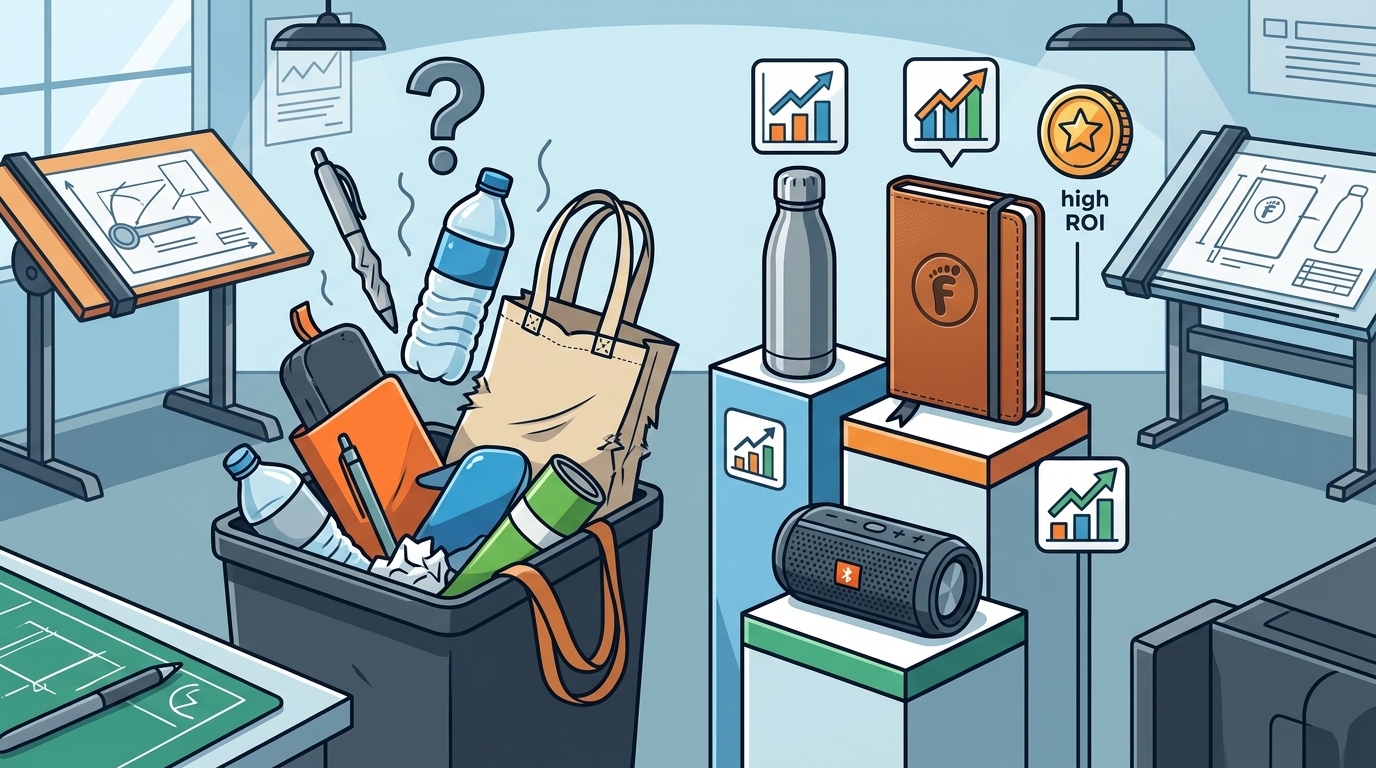
Choosing Low-Quality Items to Save Costs
Cost is a significant factor in promotional product selection, but prioritizing low cost over quality is a strategic error. Low-quality items often fail to meet the recipient's expectations, leading to immediate disposal. This not only wastes the initial investment but also damages the brand's reputation. High-quality merchandise, even if more expensive per unit, offers a higher return on investment due to increased longevity and positive brand perception.
Investing in premium materials and construction ensures that the merchandise withstands daily use. For example, a high-quality jacket from a reputable brand like The North Face or Columbia offers superior durability and comfort. These items are more likely to be worn and displayed, extending the brand's visibility. Additionally, high-quality items convey a message of respect and value to the recipient, strengthening the relationship. Brands should view promotional products as an investment in brand equity, not just a cost of doing business. This perspective shifts the focus from short-term savings to long-term value creation.
Lack of Clear Call-to-Action Integration
Merchandise serves as a physical touchpoint in the customer journey. Without a clear call-to-action (CTA), this touchpoint is underutilized. A CTA guides the recipient on what to do next, whether it is visiting a website, following a social media account, or attending an event. Failing to include a CTA leaves the potential for engagement untapped.
Effective CTAs are concise, compelling, and relevant to the merchandise. For example, a branded notebook might include a QR code to download a related industry report. A tote bag might feature a URL to a current promotion. These CTAs bridge the gap between physical and digital marketing, creating a cohesive customer experience. Brands must ensure that the CTA is visible and actionable. This integration enhances measurability by driving traffic to trackable digital assets. It also reinforces the brand's message and encourages further interaction.
Strategic Merchandise Selection Framework
To avoid these common mistakes, brands should adopt a strategic framework for merchandise selection. This framework should include brand alignment, utility, trackability, audience relevance, quality, and clear CTAs. By systematically evaluating each item against these criteria, brands can ensure that their promotional products contribute to measurable campaign success.
| Mistake Category | Impact on Measurability | Recommended Solution |
|---|---|---|
| Ignoring Brand Alignment | Low retention, weak brand association | Select items that reflect brand values and utility |
| Overlooking Decoration Methods | Rapid degradation, poor visual impact | Match decoration method to product material and usage |
| Failing to Implement Trackable Elements | Inability to measure engagement or ROI | Integrate QR codes, custom URLs, or dedicated numbers |
| Neglecting Audience Demographics | Low adoption rates, poor resonance | Conduct market research to align with audience preferences |
| Choosing Low-Quality Items | Immediate disposal, brand damage | Invest in premium materials and durable construction |
| Lack of Clear CTA | Missed digital engagement opportunities | Incorporate concise, actionable CTAs on all items |
Key Takeaways
- 83% of consumers are more likely to do business with a brand after receiving a promotional product, highlighting the importance of strategic selection.
- Brand alignment and utility are critical for long-term retention and visibility of promotional items.
- Decoration methods such as embroidery and screen printing must be matched to the product material for durability.
- Trackable elements like QR codes are essential for measuring campaign engagement and ROI.
- Audience demographics should drive merchandise choices to ensure relevance and adoption.
- High-quality items convey brand value and withstand daily use, extending brand exposure.
- Clear calls-to-action bridge the gap between physical merchandise and digital engagement.
Frequently Asked Questions
How do I measure the success of a promotional product campaign?
Success can be measured by integrating trackable elements such as unique QR codes or custom URLs. These tools allow you to monitor scans, website visits, and conversions directly linked to the merchandise. Additionally, tracking inquiry rates and sales attributed to the campaign provides a comprehensive view of ROI.
What is the best decoration method for promotional apparel?
The best decoration method depends on the fabric and design complexity. Embroidery is ideal for hats and polos due to its durability and premium look. Screen printing is cost-effective for large orders with simple designs. Digital printing suits complex, multi-colored graphics but may require careful consideration of durability.
How can I ensure my promotional products align with my brand?
Align promotional products with your brand's core values and visual identity. Choose items that your target audience finds useful and that reflect your professional image. Consistency in color, logo placement, and overall aesthetic strengthens brand recognition.
Why is quality important in promotional merchandise?
High-quality merchandise lasts longer and is more likely to be used and displayed. It conveys a message of respect and value to the recipient, enhancing brand perception. Low-quality items are often discarded quickly, wasting the investment and potentially damaging the brand's reputation.
What are some examples of trackable promotional products?
Examples include water bottles with QR codes, notebooks with custom URLs, and tech accessories with dedicated phone numbers. These items allow for direct tracking of consumer interaction and engagement with your digital assets.
How do audience demographics influence merchandise selection?
Demographics such as age, profession, and interests dictate preferences for product type, style, and utility. For example, tech professionals may prefer high-quality tech accessories, while outdoor enthusiasts might value durable, eco-friendly gear. Understanding these preferences ensures higher adoption rates and positive brand association.
What role do calls-to-action play in promotional merchandise?
CTAs guide recipients on the next steps, such as visiting a website or following social media. They bridge the gap between physical and digital marketing, driving traffic to trackable assets and enhancing overall campaign measurability.
Ready to Optimize Your Promotional Strategy?
Avoiding common merchandise selection mistakes is essential for maximizing the impact of your promotional campaigns. By focusing on brand alignment, utility, trackability, and quality, you can ensure that your merchandise drives measurable results. Partner with experts who understand the nuances of promotional marketing to create campaigns that resonate with your audience and deliver tangible ROI. Visit Footprint Promotional Advertising to explore our comprehensive range of high-quality promotional products and services. Our team is ready to help you design a strategy that aligns with your brand goals and drives success. Contact us today to start your journey toward more effective promotional marketing.