
Criteria for Selecting the Right Promotional Items for Employee Onboarding Kits
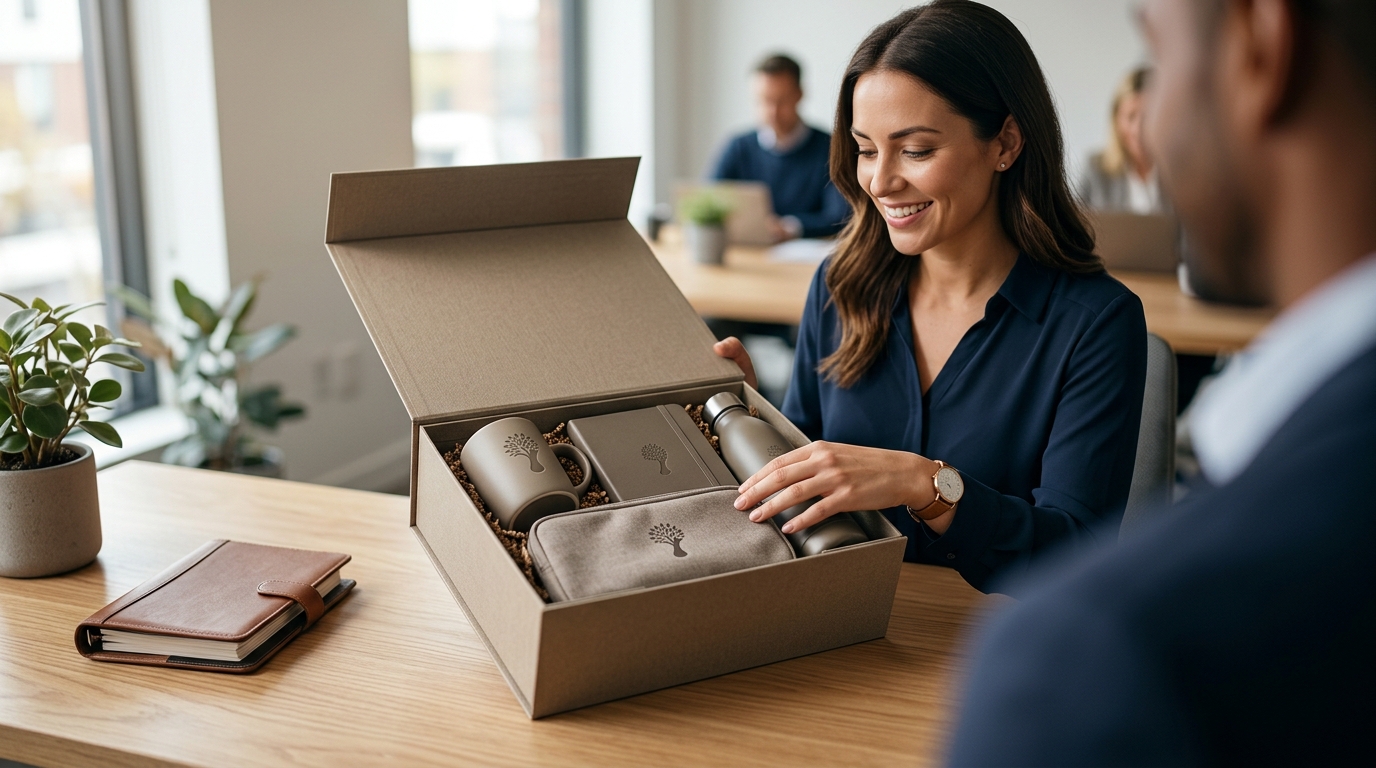
Building a strong company culture begins on day one, and the tools you provide new hires play a pivotal role in that initial impression. Research indicates that 83% of consumers are more likely to do business with a brand after receiving a promotional product, a statistic that holds true for internal stakeholders as well. When new employees receive a thoughtful, high-quality onboarding kit, it signals that the organization values their contribution and is invested in their success. This guide outlines the essential criteria for selecting promotional items that resonate with your workforce, enhance brand loyalty, and support daily productivity. (About Footprint Promo Footprint)
Understanding the Audience and Role
One size does not fit all when it comes to employee onboarding. The criteria for selecting items must start with a deep understanding of the recipient's role, work environment, and personal preferences. A software engineer working remotely has different needs than a sales representative who is frequently on the road or a creative designer who spends hours at a desk.
For remote workers, items that enhance their home office setup are ideal. High-quality noise-canceling headphones, ergonomic mouse pads, or premium water bottles can make a significant difference in their daily comfort and productivity. For field-based employees, durable bags, weather-resistant apparel, and portable tech accessories are more relevant. By tailoring the kit to the specific job function, you demonstrate that the company pays attention to the details of their work life.
Additionally, consider the demographic of your new hires. Younger employees may appreciate trendy, Instagram-worthy items, while senior leaders might prefer executive-grade gifts like leather-bound journals or high-end pens. Understanding these nuances ensures that the promotional products feel personal and appreciated rather than generic and discarded.
Prioritizing Quality Over Quantity
The tactile experience of an onboarding kit sets the tone for the employee's perception of the company. Low-quality items can inadvertently signal a lack of care or budget constraints, whereas premium items convey respect and professionalism. Marketing experts consistently note that the perceived value of a promotional product is directly linked to its quality.
When evaluating items, ask yourself: Would I use this if I were the employee? If the answer is no, it likely belongs in the trash rather than on a desk. For example, choosing a heavy-duty, insulated tumbler over a thin, plastic cup ensures the item will be used daily. Similarly, opting for a soft-touch, branded hoodie from a reputable brand like Bella + Canvas or Nike adds a layer of comfort and prestige that cheap alternatives cannot match.
Quality also extends to the durability of the branding. Ensure that logos are embroidered or high-quality printed so they do not fade or peel after a few washes. A well-maintained branded item serves as a long-term ambassador for your company, whereas a damaged one can have the opposite effect.
Ensuring Practical Utility
The most effective promotional items are those that solve a problem or fulfill a need. Utility is the cornerstone of longevity in the workplace. Items that are used frequently will keep your brand top-of-mind for the employee and anyone they interact with, such as clients or colleagues.
Consider the following categories of utility:
- Tech Accessories: USB hubs, screen cleaners, and webcam covers are essential for modern professionals. These items are small, inexpensive, but highly valued.
- Office Essentials: High-quality notebooks, pens, and desk organizers help new hires set up their workspace efficiently. A custom journal can serve as a dedicated space for notes during training sessions.
- Apparel: Branded t-shirts, polos, or jackets are practical for casual Fridays, team events, or everyday wear. Ensure the sizing guide is accurate to avoid returns or dissatisfaction.
By focusing on utility, you ensure that the onboarding kit provides immediate value, helping new employees feel supported and equipped for their new role.
Aligning with Brand Identity
Your onboarding kit is an extension of your brand. The items you choose should reflect your company's values, culture, and aesthetic. If your brand is known for innovation and tech-savviness, consider including smart gadgets or sleek, modern designs. If your company emphasizes tradition and reliability, classic items like leather goods or crystal awards might be more appropriate.
Consistency in design is crucial. Use your brand's color palette, typography, and logo placement guidelines to create a cohesive look. This not only reinforces brand recognition but also makes the kit feel like an official part of the company's ecosystem. Professional graphic design services can help ensure that your branding is applied correctly and effectively across all items.
Furthermore, consider the story behind the items. If your company values community, sourcing products from local artisans or USA-made suppliers can add a layer of authenticity and pride to the onboarding experience.
Embracing Sustainability
Modern employees, particularly younger generations, are increasingly conscious of environmental impact. Choosing eco-friendly promotional items can significantly enhance your employer brand and align with corporate social responsibility goals. Sustainability reports show that companies with strong environmental commitments attract and retain top talent more effectively.
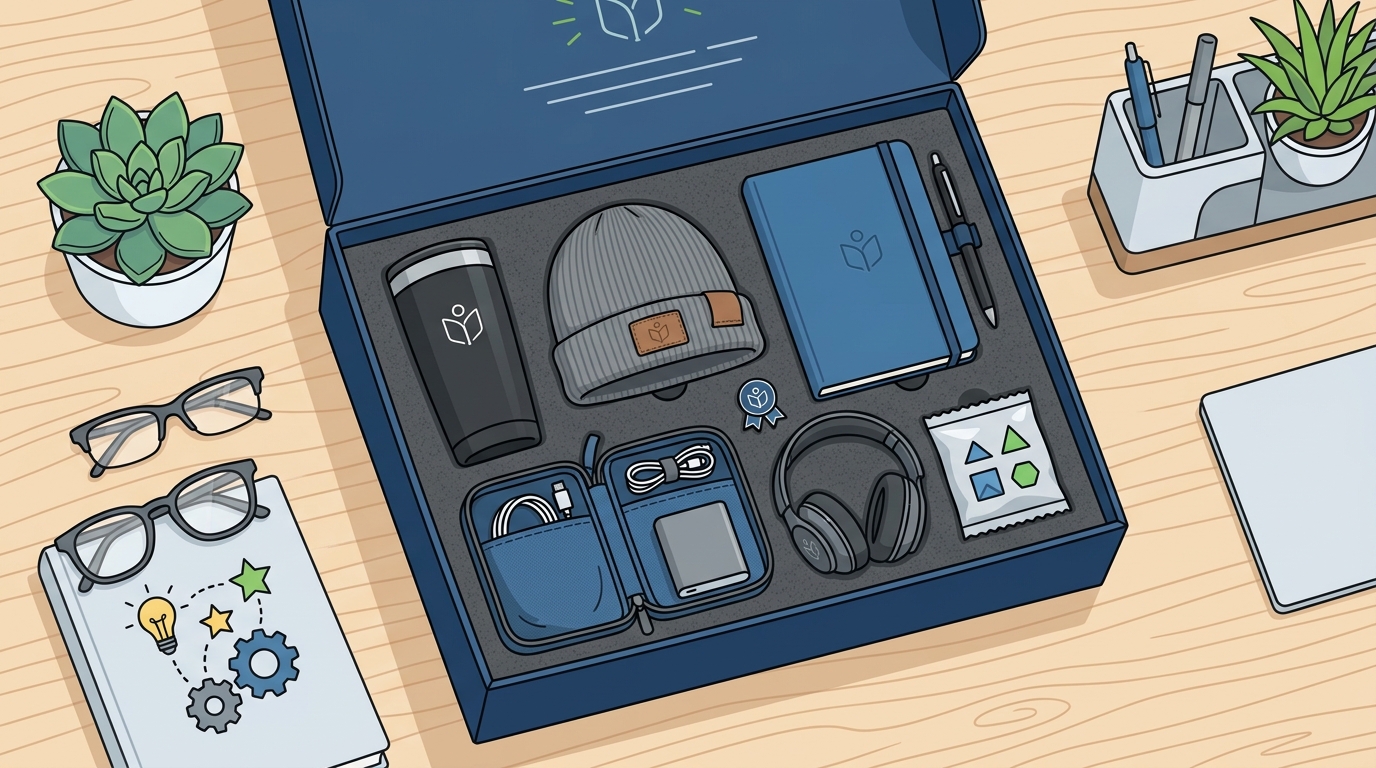
Look for items made from recycled materials, such as eco-friendly bags made from recycled plastic bottles or notebooks with recycled paper. Avoid single-use plastics and opt for reusable alternatives like stainless steel water bottles, bamboo utensils, or cloth tote bags. These items not only reduce waste but also serve as a daily reminder of your company's commitment to the planet.
Transparency is key. Include a small card in the onboarding kit explaining the sustainable features of the items and why the company chose them. This educational component can foster a deeper connection with new hires who share these values.
Exploring Customization Options
Personalization adds a significant layer of value to any promotional item. It transforms a generic product into a unique keepsake that the employee will cherish. Consider offering options for personalization, such as the employee's name, job title, or start date.
For example, a custom embroidered polo with the employee's name and the company logo can serve as a professional uniform for their first week. A personalized plaque or award can commemorate their first anniversary or a specific achievement, adding a sense of belonging and recognition.
Additionally, consider the packaging. Custom boxes, ribbons, or tissue paper with your brand colors can elevate the unboxing experience. The first impression of the onboarding kit should be one of excitement and anticipation, setting a positive tone for the rest of the onboarding journey.
Budgeting and Logistics
While quality and personalization are important, they must be balanced against budget constraints and logistical feasibility. Establish a clear budget per employee and explore bulk pricing options. Promotional product suppliers often offer significant discounts for large orders, allowing you to stretch your budget further.
Consider the timeline for production and delivery. Some items, especially those requiring custom embroidery or printing, may have longer lead times. Plan your onboarding kit orders well in advance to ensure they arrive before the new hire's start date. Delays can disrupt the onboarding process and create a negative first impression.
Logistics also involve the distribution of the kits. Will they be shipped directly to the employee's home, or will they be picked up at the office? Ensure that the packaging is secure and suitable for shipping to prevent damage. Clear communication with new hires about what to expect and when to expect it is essential for a smooth onboarding experience.
Key Takeaways
- Audience-Centric Selection: Tailor items to the specific role and work environment of the new hire to ensure relevance and appreciation.
- Quality Matters: Invest in high-quality, durable items that reflect positively on the brand and provide long-term value.
- Utility is Key: Prioritize items that solve daily problems or enhance productivity to ensure frequent use and brand visibility.
- Brand Consistency: Align the design and messaging of the kit with your company's core values and aesthetic identity.
- Eco-Friendly Choices: Incorporate sustainable materials to appeal to environmentally conscious employees and support corporate responsibility goals.
- Personalization Adds Value: Use custom text or engraving to make each kit feel unique and special to the recipient.
- Plan Ahead: Account for production lead times and shipping logistics to ensure timely delivery before the start date.
Frequently Asked Questions
How much should I budget for an employee onboarding kit?
Budgets vary widely depending on the company size and industry, but a common range is between $50 and $200 per employee. Higher budgets allow for more premium items and greater personalization, while lower budgets can still yield impactful results with strategic, high-utility items.
What are the most popular items for onboarding kits?
Top items include branded apparel like t-shirts and hoodies, drinkware such as water bottles and mugs, tech accessories like USB drives and screen cleaners, and office essentials like notebooks and pens. These items offer a balance of utility and brand visibility.
How can I ensure the onboarding kit arrives on time?
Work with your promotional products supplier early in the process to understand production lead times. Order at least 2-3 weeks before the new hire's start date to account for any delays in production or shipping. Confirm tracking information and communicate the expected delivery date to the new hire.
Should I include eco-friendly items in the onboarding kit?
Yes, incorporating eco-friendly items is highly recommended. It demonstrates your company's commitment to sustainability and appeals to the values of many modern employees. Look for products made from recycled materials or those that are reusable and durable.
How do I choose the right size for branded apparel?
Use the supplier's sizing guide, which typically correlates with standard clothing sizes. If possible, collect size information during the pre-boarding process. If that is not feasible, offer a range of sizes or choose items with a more forgiving fit, such as pullovers or adjustable hats.
Can I customize the packaging of the onboarding kit?
Absolutely. Custom packaging can significantly enhance the unboxing experience. Consider using branded boxes, tissue paper, or ribbons. You can also include a personalized welcome letter or a guide to the company culture to make the kit feel more welcoming and informative.
Ready to Elevate Your Onboarding Experience?
Selecting the right promotional items for employee onboarding kits is a strategic decision that impacts culture, retention, and brand perception. By focusing on quality, utility, and personalization, you can create a memorable first impression that sets new hires up for success. Contact Footprint Promotional Advertising today to explore our extensive catalog of high-quality promotional products and start building onboarding kits that your employees will love.