
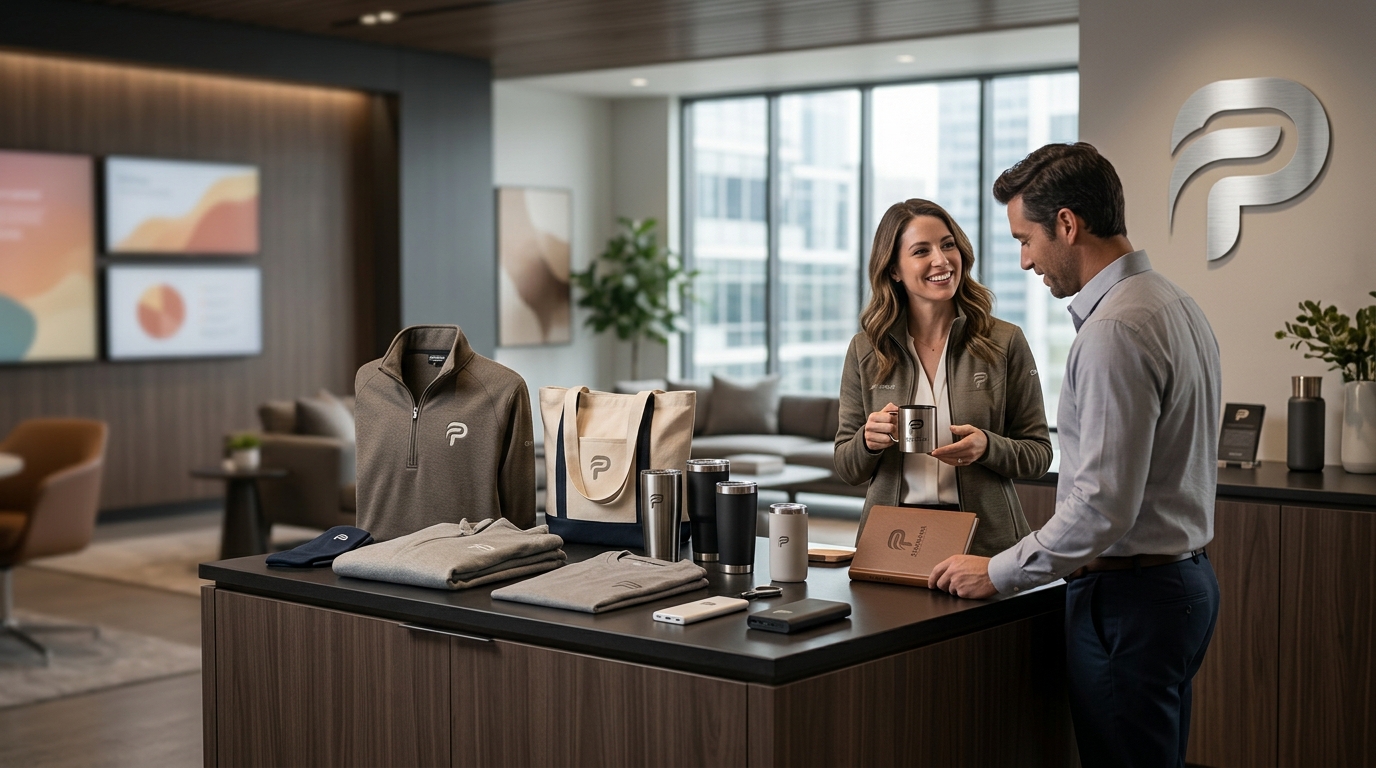
Setting Up a Branded Company Store for Employee and Customer Orders
The modern corporate landscape demands more than just traditional marketing; it requires immersive brand experiences that resonate with both internal teams and external clients. Establishing a dedicated branded company store has emerged as a critical infrastructure for organizations looking to streamline their gifting, merchandising, and employee engagement strategies. This centralized hub allows businesses to distribute high-quality promotional products with precision, ensuring that every item leaving the warehouse reinforces brand identity. According to recent industry data, 83% of consumers are more likely to do business with a brand after receiving a promotional product, highlighting the tangible return on investment for well-executed merchandising programs. By leveraging a professional partner like Footprint Promotional Advertising, companies can access a vast array of customization options that transform standard merchandise into powerful brand ambassadors.
Understanding the Strategic Value of a Company Store
A branded company store is not merely an e-commerce site; it is a strategic asset that bridges the gap between corporate identity and daily operations. For employees, it serves as a portal for acquiring workwear, tech accessories, and wellness items that foster a sense of belonging and pride. For customers and partners, it offers a curated experience of the brand's values through high-quality gifts and promotional items. This dual-purpose model reduces administrative overhead by centralizing procurement, tracking, and distribution.
The impact of such a system is measurable. When employees wear branded apparel, they become mobile advertisements for the company. Similarly, when clients receive thoughtfully selected executive gifts, the relationship is strengthened through tangible appreciation. This approach aligns with broader marketing trends where physical marketing drives digital engagement. By controlling the narrative through a dedicated store, companies ensure that every touchpoint, from the packaging to the product itself, reflects their premium positioning.
Defining Core Terms in Corporate Merchandising
To navigate the complexities of setting up a company store, it is essential to understand the foundational terminology used in the promotional products industry. Clarity on these terms ensures that stakeholders, from marketing directors to IT administrators, are aligned on the operational goals.
Promotional Product is a tangible item that bears a company's logo or message and is distributed to promote brand awareness or reward specific behaviors. These items range from apparel and drinkware to tech accessories and office supplies.
Customization is the process of altering a base product to include specific branding elements, such as logos, colors, or text, through methods like embroidery, screen printing, or laser engraving. This process transforms generic merchandise into unique brand assets.
Fulfillment is the end-to-end process of receiving, processing, packing, and shipping orders to their final destinations. In the context of a company store, efficient fulfillment ensures that employees and clients receive their items promptly and in perfect condition.
Selecting the Right Platform and Partner
The success of a branded company store hinges on the reliability and scalability of its underlying platform. While some large enterprises build custom in-house solutions, most organizations benefit from partnering with established promotional product distributors who offer robust online storefronts. These partners provide the technology, inventory, and logistical expertise required to manage complex ordering workflows.
When evaluating partners, consider their ability to handle both small-scale employee orders and large-scale corporate gifting campaigns. Look for platforms that offer real-time inventory tracking, automated tax calculations, and seamless integration with existing HR or procurement systems. Footprint Promotional Advertising exemplifies this model by offering a comprehensive suite of services that include website design, graphic support, and traditional advertising integration, ensuring a holistic approach to brand management.
Additionally, the partner's geographic reach and shipping capabilities are critical. A reliable distributor will have multiple fulfillment centers to minimize shipping costs and delivery times, particularly for urgent corporate needs. Verify that the platform supports secure payment gateways and offers detailed reporting dashboards to track spending and order history.
Curating the Product Catalog
A well-curated catalog is the heart of any company store. It must balance brand relevance, utility, and appeal to diverse audiences. The selection process should begin with a thorough audit of employee and customer preferences, often conducted through surveys or focus groups. This data-driven approach ensures that the products offered are not only branded but also desired and used.
Consider categorizing products into logical segments such as Apparel, Tech, Drinkware, and Office Essentials. Within each category, offer a range of price points and styles to accommodate different tastes and budgets. For example, in the apparel category, include options from premium brands like Bella + Canvas for a softer, more fashion-forward look, alongside durable workwear brands like Dickies for industrial or outdoor roles.
It is also important to include eco-friendly options, as sustainability is a growing priority for many corporations. Products made from recycled materials or sourced from ethical manufacturers can enhance the brand's reputation and appeal to environmentally conscious employees and customers. Explore categories like Eco-Friendly items to align with corporate social responsibility goals.
Design and Branding Protocols
Consistency in branding is non-negotiable when setting up a company store. Every product must adhere to strict design guidelines to maintain a cohesive brand image. This involves using the correct logo files, color palettes, and typography across all items.
Work closely with your partner's design team to ensure that artwork is optimized for the chosen decoration method. For instance, Vector vs Raster art formats play a crucial role in the clarity and scalability of logos on various materials. Understanding CMYK vs PMS Match is also vital for ensuring color accuracy, especially when matching specific brand colors.
Establish a clear approval workflow for new designs. This might involve marketing, legal, and executive stakeholders to ensure that all branding elements comply with company standards and regulatory requirements. Regularly review and update the catalog to remove outdated items and introduce new trends, keeping the store fresh and engaging for users.
Logistics and Fulfillment
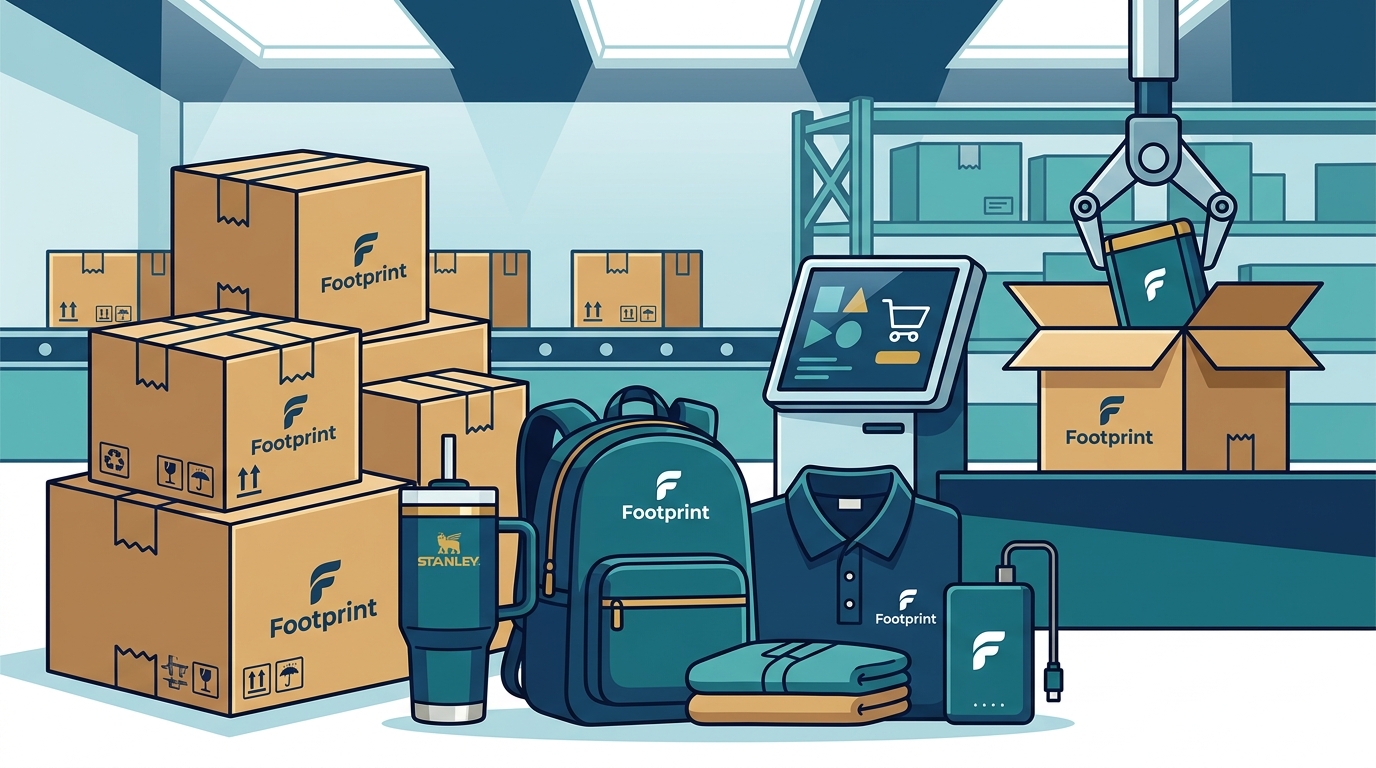
Efficient logistics are the backbone of a successful company store. The ability to process orders quickly and accurately is essential for maintaining employee satisfaction and client trust. Implement automated workflows that route orders to the appropriate fulfillment centers based on shipping addresses and inventory availability.
Consider offering tiered shipping options to balance cost and speed. For example, standard shipping might be free for bulk corporate orders, while expedited shipping is available for individual employee requests. Provide real-time tracking information to all users, allowing them to monitor the status of their orders from dispatch to delivery.
Regularly audit the fulfillment process to identify bottlenecks and areas for improvement. Analyze data on order volumes, peak seasons, and common shipping issues to optimize inventory levels and carrier partnerships. This proactive approach ensures that the company store operates smoothly, even during high-demand periods such as holidays or major corporate events.
Key Takeaways
- Strategic Impact: 83% of consumers are more likely to do business with a brand after receiving a promotional product, making a company store a high-ROI asset.
- Partner Selection: Choose a distributor like Footprint Promotional Advertising that offers integrated services including design, tech, and fulfillment.
- Brand Consistency: Adhere to strict design guidelines, utilizing Vector vs Raster best practices for logo clarity.
- Product Diversity: Curate a catalog that includes premium brands like Bella + Canvas and durable options like Dickies to suit all employee needs.
- Eco-Consciousness: Incorporate Eco-Friendly products to align with corporate sustainability goals.
- Operational Efficiency: Implement automated workflows and real-time tracking to streamline order processing and fulfillment.
- Data-Driven Decisions: Use survey data and order analytics to continuously refine the product catalog and improve user experience.
Frequently Asked Questions
What is the primary benefit of a branded company store?
A branded company store centralizes procurement, ensures brand consistency, and enhances employee and customer engagement through personalized, high-quality merchandise.
How do I choose the right products for my catalog?
Conduct surveys to gauge employee and customer preferences, and balance utility with brand alignment. Include a mix of apparel, tech, and eco-friendly items to cater to diverse tastes.
What are the key considerations for logo decoration?
Consider the material of the product and the durability of the decoration method. Use Vector vs Raster art correctly and ensure color accuracy with CMYK vs PMS Match protocols.
Can a company store handle both employee and customer orders?
Yes, a well-designed company store can manage distinct user roles, pricing tiers, and inventory pools for both internal employees and external customers.
How important is fulfillment speed?
Fulfillment speed is critical for user satisfaction. Partner with a distributor that has multiple fulfillment centers to minimize shipping times and costs.
What role does sustainability play in product selection?
Sustainability is increasingly important. Offering Eco-Friendly products can enhance brand reputation and appeal to environmentally conscious stakeholders.
How do I ensure brand consistency across all items?
Establish strict design guidelines and a multi-step approval process involving marketing and legal teams to ensure all branding elements comply with company standards.
Next Steps
Setting up a branded company store is a transformative step for any organization looking to strengthen its brand presence and operational efficiency. By leveraging the expertise of a trusted partner like Footprint Promotional Advertising, you can create a seamless, high-impact merchandising program that delights employees and impresses clients. Start by auditing your current needs, curating a strategic product catalog, and implementing robust design and fulfillment protocols. Contact us today to begin building your branded company store and take your brand to the next level.