

Establishing a dedicated company store for branded merchandise is no longer just a perk for large enterprises. It is a strategic asset for businesses of all sizes looking to boost brand visibility, employee morale, and customer loyalty. According to recent industry data, 83% of consumers are more likely to do business with a brand after receiving a promotional product. This statistic underscores the tangible return on investment that a well-managed merchandise program can deliver. However, building a sustainable store requires more than just printing logos on t-shirts. It demands a structured approach to vendor selection, inventory management, and digital integration.
Define Your Strategic Goals and Audience
Before sourcing a single item, you must clarify the purpose of your company store. Is it primarily for employee engagement, client retention, or direct revenue generation? The answer dictates your product mix and pricing strategy. Forbes reports that branded merchandise can increase brand recall by up to 82% when distributed strategically. This means your selection process should align with your brand identity. If you are a tech startup, sleek, modern tech accessories might resonate more than traditional office supplies. If you are a healthcare provider, eco-friendly and health-focused items may better reflect your values.
Understanding your audience is equally critical. Internal audiences, such as employees, often prefer practical, high-quality apparel they will wear daily. External audiences, such as clients or conference attendees, may value novelty or utility. By segmenting your audience, you can tailor your catalog to meet specific needs, ensuring higher engagement rates and reducing wasted inventory.
Selecting the Right Promotional Partner
One of the most common mistakes businesses make is attempting to manage merchandising in-house without the necessary infrastructure. This approach often leads to quality control issues, delayed shipments, and inflated costs. Instead, partnering with an established promotional products distributor is the most efficient path. A reliable partner provides access to a vast network of manufacturers, competitive pricing, and expert design support.
When evaluating potential partners, look for companies that offer comprehensive services beyond simple product sales. For instance, Footprint Promotional Advertising offers integrated services including graphic design, website development, and traditional advertising. This holistic approach ensures that your branded items are not only high-quality but also visually aligned with your broader marketing campaigns. Additionally, verify their ability to handle large-scale orders with consistent quality and on-time delivery, which are critical for maintaining brand reputation.
Curating High-Quality Product Lines
The success of your company store hinges on the quality and relevance of your products. Avoid the temptation to choose the cheapest items, as low-quality merchandise can damage your brand image. Instead, focus on items that recipients will actually use. MarketingProfs highlights that promotional products have an average ROI of $4.24 for every dollar spent, but this figure drops significantly if the items are perceived as junk.
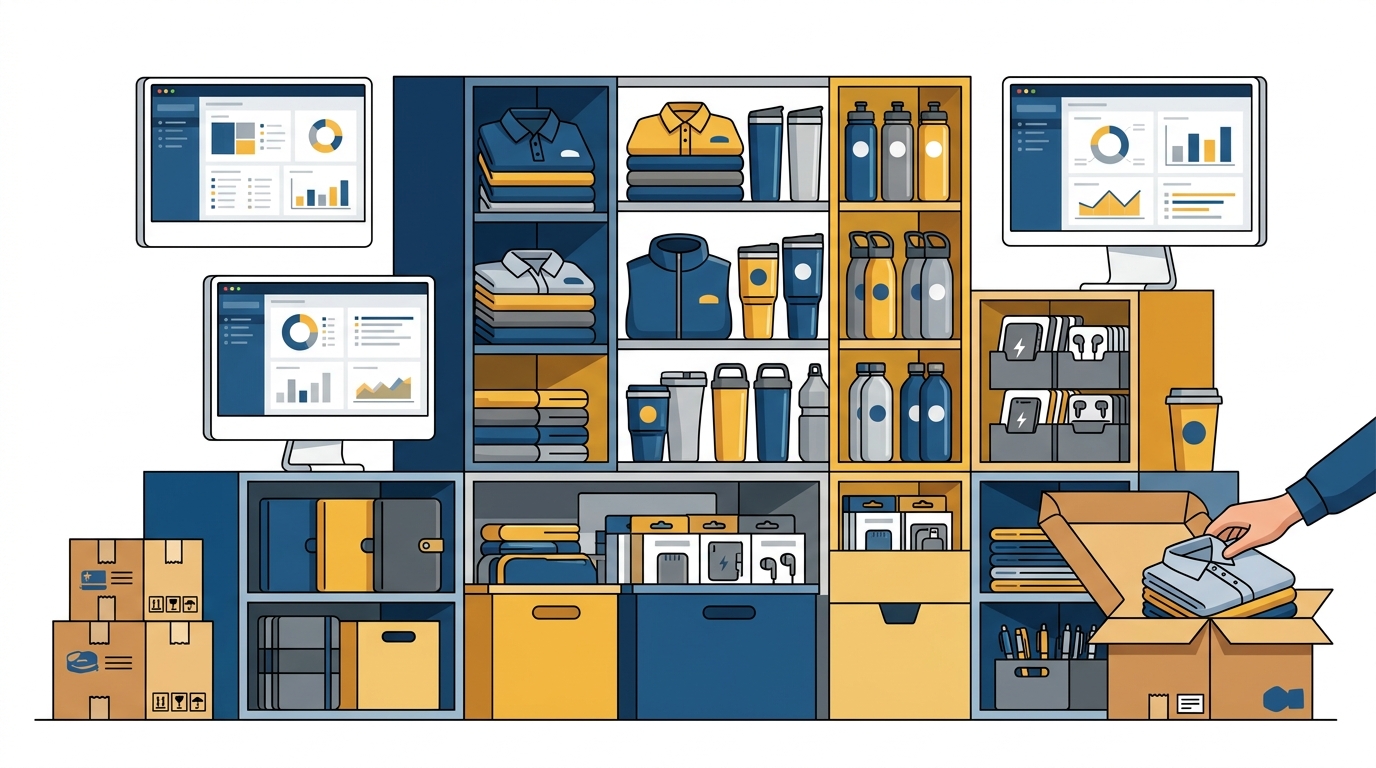
Consider diversifying your catalog to include various categories. Apparel remains a staple, but drinkware, tech accessories, and eco-friendly options are increasingly popular. For example, offering sustainable water bottles or recycled tote bags can appeal to environmentally conscious consumers. Furthermore, ensure that your decoration methods, such as screen printing or embroidery, are appropriate for the product material. Understanding the differences between decoration methods is essential for achieving durable and professional results.
Choosing Your Digital Platform
Once you have selected your products and partner, you need a platform to host your store. This could be a standalone e-commerce site, a microsite provided by your vendor, or an integration with your existing CRM. The platform should be user-friendly, mobile-responsive, and secure. It must allow for easy customization, such as uploading company logos and selecting color schemes.
If you are looking for a seamless experience, consider leveraging the digital capabilities of your promotional partner. Many top-tier distributors offer custom web stores that integrate directly with their ordering systems. This reduces the friction between browsing and purchasing. Additionally, ensure the platform supports bulk ordering capabilities for HR departments or event managers. Quick guides and resources on measuring and design can help streamline the ordering process, ensuring that your team can manage the store efficiently without constant external support.
Logistics, Fulfillment, and Compliance
Logistics is the backbone of any merchandise program. You must establish clear protocols for shipping, returns, and inventory management. Decide whether you will ship directly to employees and clients or receive items at a central location for distribution. Direct shipping is often more convenient for recipients but requires accurate address data. Centralized distribution allows for quality checks before dispatch but adds logistical complexity.
Compliance is another critical factor. Ensure that all products meet safety standards, especially if they are intended for children or specific industries. For example, the Consumer Product Safety Commission sets strict guidelines for children's products, which must be adhered to if you are ordering toys or apparel for younger demographics. Additionally, consider the environmental impact of your packaging and shipping materials. Using recyclable or biodegradable packaging can enhance your brand's sustainability profile.
Marketing Your Internal and External Store
A company store is only as successful as its visibility. You must actively promote it to both internal and external audiences. Internally, use email newsletters, intranet banners, and town hall meetings to announce the launch and highlight new items. Create a sense of exclusivity or urgency by offering limited-time discounts or seasonal collections. Externally, leverage social media, your website, and email marketing campaigns to showcase your branded merchandise to potential clients and partners.
Consider creating a "merch drop" culture, where new items are released in curated collections. This strategy can drive repeat visits and increase engagement. Regularly updating your blog with tips on promotional products and branding can also drive organic traffic to your store. By providing valuable content, you position your company as an authority in the space, which can indirectly boost sales and brand trust.
Key Takeaways
- Strategic Alignment: Define clear goals for your company store to ensure product selection aligns with brand identity and audience needs.
- Vendor Selection: Partner with experienced distributors like Footprint Promotional Advertising for quality, pricing, and design support.
- Quality Over Quantity: Prioritize high-quality, useful items to maximize ROI and protect brand reputation.
- Digital Integration: Choose a user-friendly platform that supports bulk ordering and seamless integration with your existing systems.
- Logistics Planning: Establish clear protocols for shipping, returns, and compliance to ensure smooth operations.
- Active Promotion: Market your store internally and externally to drive engagement and sales.
- Continuous Improvement: Regularly review sales data and feedback to refine your product offerings and strategy.
Frequently Asked Questions
What is the best way to choose products for a company store?
The best way to choose products is to survey your target audience to understand their preferences and needs. Focus on high-quality, useful items that align with your brand values. Avoid low-cost, low-utility items that may end up in the trash.
How do I ensure the quality of promotional products?
Work with reputable vendors who offer samples before placing large orders. Check reviews and case studies to verify their consistency. Additionally, establish clear quality control standards in your contract.
Can I customize the look of my company store?
Yes, most digital platforms allow for extensive customization. You can upload your logo, choose color schemes, and arrange product categories to match your brand identity.
What are the tax implications of selling branded merchandise?
Tax implications vary by jurisdiction. Generally, if you are selling items to external customers, you may need to collect sales tax. Consult with a tax professional to ensure compliance with local regulations.
How often should I update my company store catalog?
Update your catalog seasonally or when you launch new product lines. Regular updates keep the store fresh and encourage repeat visits from your audience.
What is the average ROI of promotional products?
According to industry reports, the average ROI of promotional products is approximately $4.24 for every dollar spent. This figure can vary based on product quality and distribution strategy.
How do I handle returns for defective items?
Establish a clear return policy with your vendor. Most reputable distributors will replace defective items at no cost. Ensure you document any issues with photos and order numbers for easy resolution.
Start Your Branded Merchandise Program
Setting up a company store for branded merchandise is a powerful way to strengthen your brand and engage your audience. By following the steps outlined in this guide, you can create a successful program that delivers value to your employees, clients, and partners. If you are ready to get started, contact Footprint Promotional Advertising today to discuss your needs and explore our extensive catalog of high-quality promotional products. Visit our product catalog to browse our wide range of apparel, drinkware, and tech accessories.