
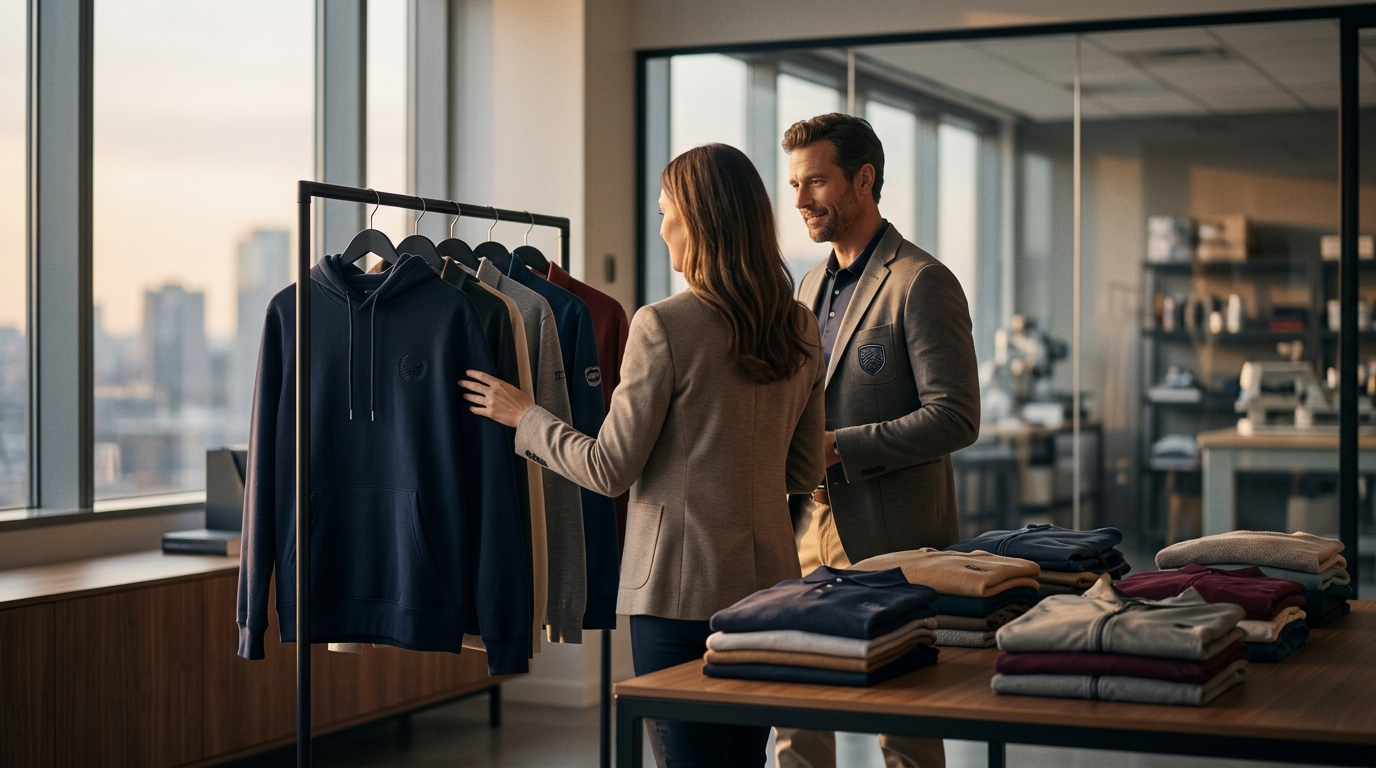
The corporate gifting and uniform market in the United States is a multi-billion dollar industry that relies heavily on specialized promotional product distributors. According to recent industry data, the promotional products sector generates over $7 billion in annual revenue, with branded apparel accounting for a significant portion of that spend. Businesses across all sectors are increasingly prioritizing high-quality, branded clothing to enhance brand visibility, foster employee morale, and maintain professional standards. This guide explores the landscape of providers, the types of services available, and how to select the right partner for your organization's needs.
Understanding the Promotional Apparel Industry
Branded apparel serves as a mobile billboard for companies, extending their reach far beyond the office walls. The industry has evolved from simple t-shirt giveaways to sophisticated uniform solutions that blend functionality with brand identity. Companies now demand eco-friendly materials, advanced moisture-wicking fabrics, and precise embroidery techniques to ensure durability and professional appearance.
The supply chain for these products involves a complex network of manufacturers, distributors, and decorators. While some large corporations have in-house branding teams, most rely on specialized partners who can source from major brands like Nike, Adidas, and Under Armour, while also offering custom decoration services. This specialization allows businesses to access high-quality garments at competitive prices, leveraging bulk purchasing power and established relationships with manufacturers.
Furthermore, the rise of remote work has shifted some demand toward casual, high-quality branded wear for video calls and hybrid environments. This trend has increased the popularity of premium polo shirts, hoodies, and fitted t-shirts that look professional on camera while remaining comfortable for all-day wear. Companies are no longer just buying uniforms; they are investing in brand experience through touchpoints that employees and clients interact with daily.
Major Distributors and Manufacturers
Identifying the right provider is critical for ensuring quality, timely delivery, and cost-effectiveness. The US market is populated by a mix of national distributors, regional specialists, and direct-to-consumer platforms. Each type of provider offers distinct advantages depending on the scale and specificity of your order.
National distributors like Footprint Promotional Advertising offer extensive catalogs featuring thousands of products from top-tier brands. These companies typically provide robust online platforms for ordering, art uploads, and project management, streamlining the process for large-scale corporate orders. They often have dedicated customer service teams to assist with design, sizing, and logistics, ensuring that complex orders are handled with precision.
Regional providers may offer more personalized service and faster turnaround times for local businesses. They often specialize in specific types of decoration, such as screen printing or embroidery, and may have deeper relationships with local manufacturers. For businesses requiring custom uniforms, these providers can offer tailored solutions that meet specific industry regulations, such as those in healthcare or construction.
Direct-to-consumer platforms have also emerged, offering lower minimum order quantities and faster shipping for smaller businesses. However, these platforms may lack the depth of service and customization options available through traditional distributors. For large corporations with complex branding guidelines and high-volume needs, working with a specialized distributor remains the preferred approach for maintaining consistency and quality control.
Types of Apparel Services
Understanding the different types of services available is essential for making an informed decision. The two primary categories are promotional products and custom uniforms, each serving distinct purposes within a company's operations.
Promotional Apparel is designed for marketing purposes, such as trade shows, employee onboarding, and client gifts. These items are often lower-cost and intended for short-term use or giveaway. Common examples include t-shirts, hats, and tote bags featuring the company logo. The focus is on brand visibility and cost-efficiency, with a wide variety of styles and colors available to suit different demographics and occasions.
Custom Uniforms are designed for daily wear by employees, requiring higher durability, specific fabric properties, and professional aesthetics. These uniforms often include polos, dress shirts, jackets, and workwear from brands like Dickies, Columbia, and The North Face. The decoration methods for uniforms are typically more durable, such as embroidery or heat transfer, to withstand frequent washing and wear. Uniforms also need to meet specific industry standards, such as flame resistance for construction workers or antimicrobial properties for healthcare professionals.
Many providers offer both services, allowing companies to consolidate their vendor relationships. This integration simplifies ordering, invoicing, and brand management. For example, a company might order branded t-shirts for a summer event and custom polos for their sales team from the same provider, benefiting from volume discounts and consistent brand representation.
How to Choose a Provider
Selecting the right apparel provider involves evaluating several key factors, including product quality, service capabilities, and pricing structure. It is important to look beyond the initial cost and consider the total value proposition, including customer support, turnaround times, and customization options.
Product Quality and Brand Selection is paramount. A reputable provider should offer a wide range of products from well-known, high-quality brands. This ensures that the apparel not only looks good but also feels comfortable and lasts longer. Providers like Footprint Promotional Advertising curate their catalogs to include only the best brands, such as Adidas, Nike, and Bella + Canvas, giving clients access to premium materials and designs.
Decoration Capabilities are another critical consideration. The provider should offer multiple decoration methods, including screen printing, embroidery, and direct-to-garment printing, to accommodate different design needs and fabric types. Embroidery is generally preferred for uniforms due to its durability and professional appearance, while screen printing is cost-effective for large quantities of t-shirts.
Customer Service and Support can make or break a large order. Look for providers with dedicated account managers who understand your brand guidelines and can offer design assistance. They should be responsive to questions and able to resolve issues quickly. A provider with a robust online portal can also streamline the ordering process, allowing for easy reordering and project tracking.
Pricing and Minimums vary widely depending on the provider and the order size. While some providers have high minimum order quantities, others offer flexible options for smaller businesses. It is important to request detailed quotes that include all costs, such as setup fees, decoration charges, and shipping. Comparing multiple quotes can help you find the best value for your budget.
Comparison of Service Models
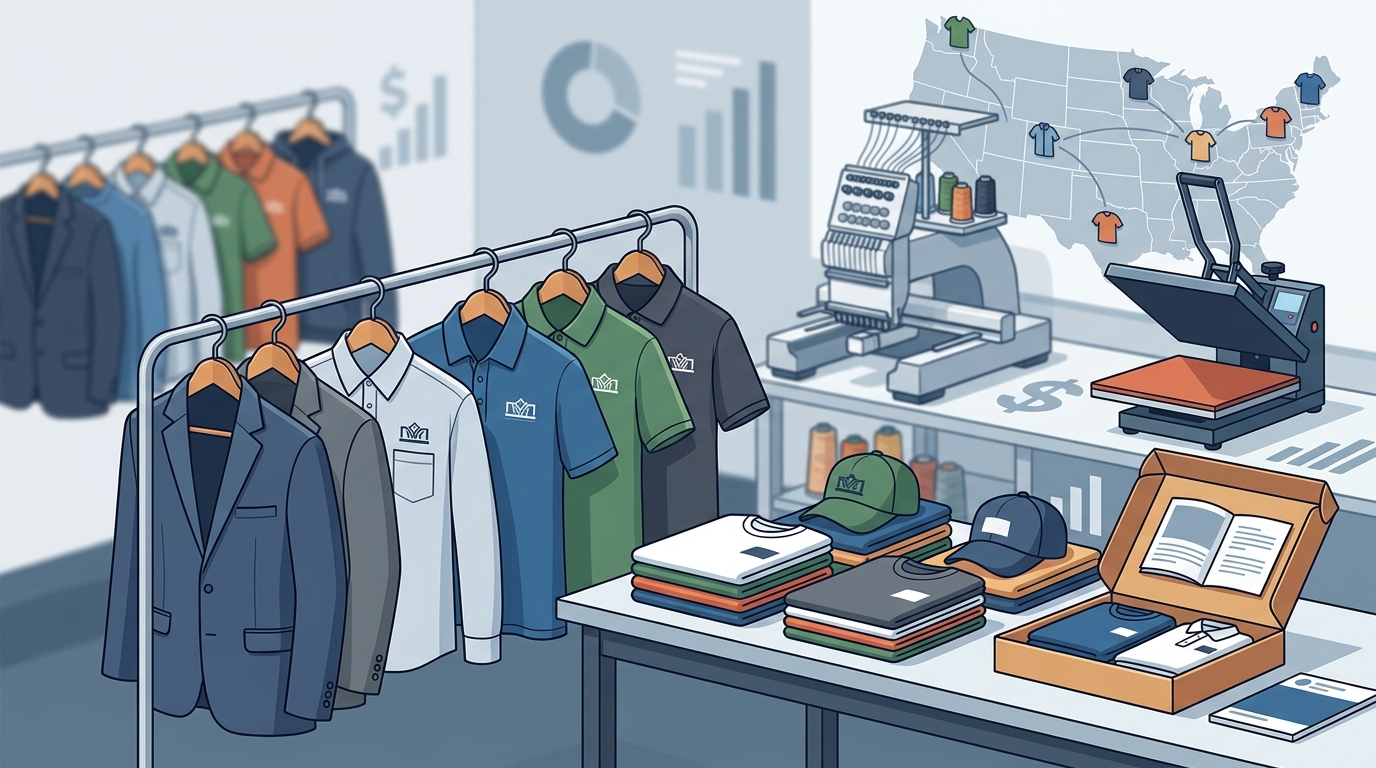
To help you decide which type of provider is best for your needs, here is a comparison of the main service models available in the US market.
| Service Model | Best For | Pros | Cons |
|---|---|---|---|
| National Distributor | Large corporations, multi-location brands | Wide product selection, volume discounts, dedicated support | Higher minimums, potentially less personalized service |
| Regional Specialist | Local businesses, urgent orders | Faster turnaround, personalized service, local expertise | Limited product range, higher per-unit costs |
| Online Platform | Small businesses, one-off orders | Low minimums, easy ordering, fast shipping | Limited customization, less customer support |
| Direct Manufacturer | Very large orders, custom designs | Lowest cost, full control over production | High minimums, complex logistics, no design support |
For most businesses, a national distributor like Footprint Promotional Advertising offers the best balance of quality, variety, and service. They provide access to top brands and professional decoration services, ensuring that your branded apparel meets high standards while remaining cost-effective.
Key Takeaways
- The US promotional products market is valued at over $7 billion, with apparel being a key growth segment.
- Branded apparel serves dual purposes: marketing visibility and professional uniform standards.
- National distributors offer extensive brand catalogs, including Nike, Adidas, and Under Armour.
- Custom uniforms require durable decoration methods like embroidery for longevity and professionalism.
- Choosing a provider should involve evaluating product quality, decoration capabilities, and customer support.
- Consolidating apparel orders with a single provider can simplify logistics and reduce costs.
- Footprint Promotional Advertising provides a comprehensive range of products and services for corporate needs.
Frequently Asked Questions
What is the difference between promotional apparel and uniforms?
Promotional apparel is designed for marketing and short-term use, often featuring lower-cost items like t-shirts and hats. Uniforms are designed for daily wear by employees, requiring higher durability, specific fabric properties, and professional aesthetics.
How do I choose the right brand for my company uniforms?
Consider the industry standards, comfort requirements, and brand image. For example, healthcare workers may need antimicrobial fabrics, while construction workers may require flame-resistant materials. Top brands like Dickies, Columbia, and The North Face offer specialized lines for various industries.
What decoration methods are best for branded apparel?
Embroidery is best for uniforms due to its durability and professional appearance. Screen printing is cost-effective for large quantities of t-shirts. Direct-to-garment printing is ideal for complex, full-color designs on light-colored fabrics.
Can I order small quantities of branded apparel?
Yes, many providers offer low minimum order quantities, especially for online platforms. However, national distributors may have higher minimums for certain products or decoration methods. It is best to check with the provider for their specific requirements.
How long does it take to receive branded apparel?
Turnaround times vary depending on the provider, product, and decoration method. National distributors typically offer standard turnaround times of 2-4 weeks, while regional specialists may offer faster options for urgent orders. Rush services are often available for an additional fee.
What is the role of a promotional product distributor?
A promotional product distributor acts as an intermediary between manufacturers and businesses, offering a wide range of products, decoration services, and customer support. They help businesses source high-quality branded items at competitive prices and manage the logistics of large orders.
How can I ensure the quality of branded apparel?
Request samples before placing a large order. Check the fabric quality, stitching, and decoration durability. Choose providers that offer products from reputable brands and have positive customer reviews. A reputable provider like Footprint Promotional Advertising curates their catalog to ensure high standards.
Get Your Custom Quote
Ready to elevate your brand with high-quality apparel? Contact Footprint Promotional Advertising today to discuss your needs and receive a personalized quote. Our team of experts is ready to help you select the perfect products and decoration methods to meet your goals. Visit our services page to learn more about our capabilities.