
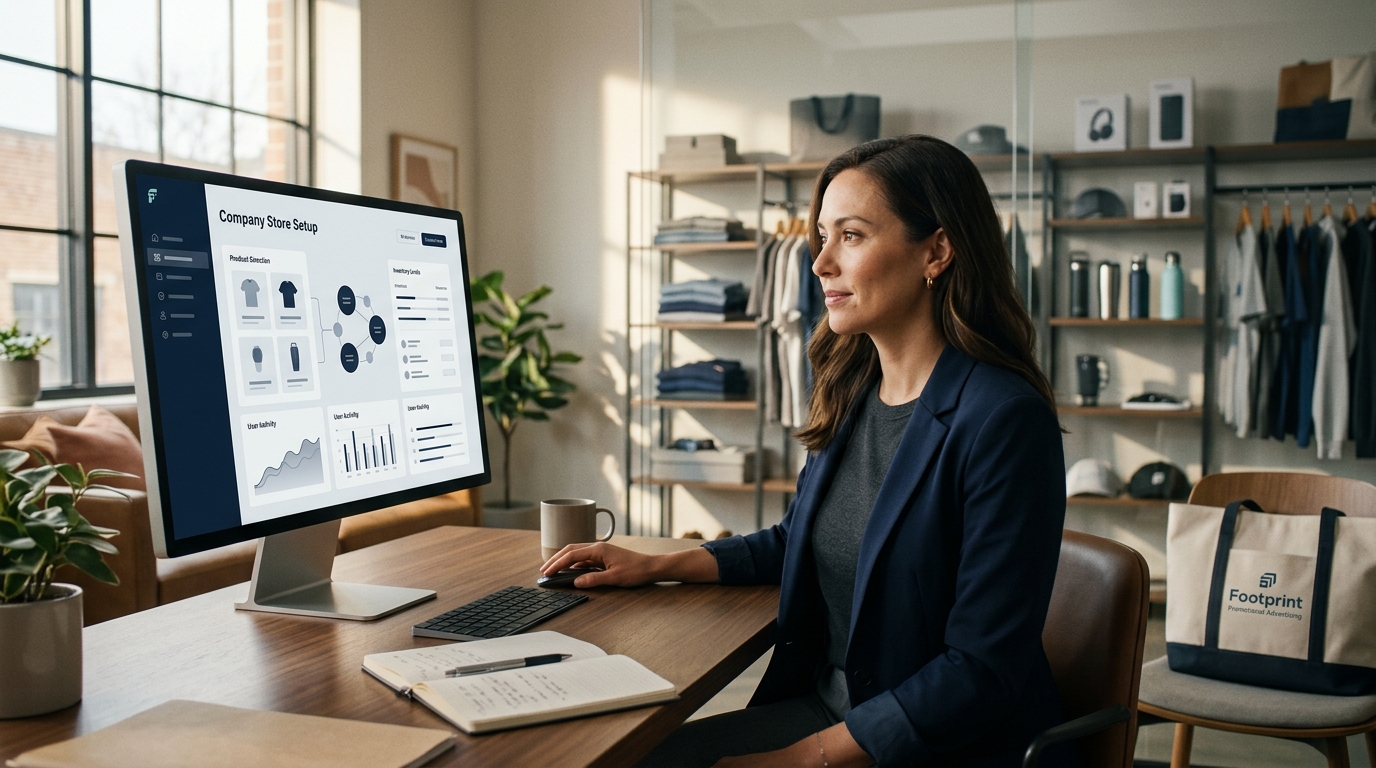
Establishing a dedicated internal marketplace for corporate swag is no longer a luxury for large enterprises. It is a standard operational requirement for modern workforce engagement. According to recent industry data, companies that implement structured merchandising programs see a significant increase in employee retention and brand advocacy. The average organization spends thousands annually on ad-hoc promotional items, yet lacks the tracking and personalization that a centralized store provides. Building this infrastructure requires careful planning, vendor selection, and integration with existing human resources platforms. This guide details the precise steps to launch a scalable, branded merchandise ecosystem.
Understanding the Strategic Value
A company store serves as the digital headquarters for your brand's physical presence. It transforms random gift-giving into a strategic tool for culture building. When employees have access to high-quality, branded apparel and accessories, they become walking billboards for your organization. This visibility extends to client meetings, industry conferences, and daily commutes. The psychological impact of wearing a uniform or branded item fosters a sense of belonging and team cohesion.
Furthermore, a centralized store eliminates the administrative burden of manual order processing. Without a digital storefront, HR teams often spend hours coordinating sizes, shipping addresses, and payment reimbursements. Automating this process allows your team to focus on higher-value initiatives. The data generated from store analytics also provides insights into employee preferences, helping you refine future procurement strategies. This shift from reactive gifting to proactive engagement is critical for modern corporate identity management.
Choosing the Right Platform Architecture
The foundation of your company store is the technology stack you select. You have two primary options: building a custom e-commerce solution or partnering with a specialized promotional products provider. For most organizations, partnering with an established vendor like Footprint Promotional Advertising offers the most efficient path to launch. These platforms are designed specifically for bulk corporate orders, offering robust APIs and dedicated account management.
When evaluating platforms, prioritize ease of use for both administrators and end-users. The interface must allow employees to browse catalogs, customize designs, and track shipments without friction. Look for vendors that offer quick guides and comprehensive support resources. Additionally, ensure the platform supports your specific branding requirements, such as custom logos, color palettes, and domain mapping. Security is paramount, so verify that the vendor complies with industry-standard data protection regulations.
Vendor Evaluation Criteria
Not all promotional vendors are created equal. Some specialize in low-cost, high-volume items, while others focus on premium, eco-friendly materials. Evaluate potential partners based on their product range, customization capabilities, and shipping reliability. Check their about page to understand their company history and operational scale. A vendor with decades of experience is more likely to handle complex logistics and quality control effectively.
Curating the Product Catalog
Your product catalog should reflect your company culture and brand values. Avoid generic, low-quality items that end up in the trash. Instead, curate a selection of high-utility products that employees will actually use. This approach ensures that your brand receives maximum exposure through daily wear and use. The goal is to create a desirable shopping experience, not just a transactional one.
Essential Categories for Your Store
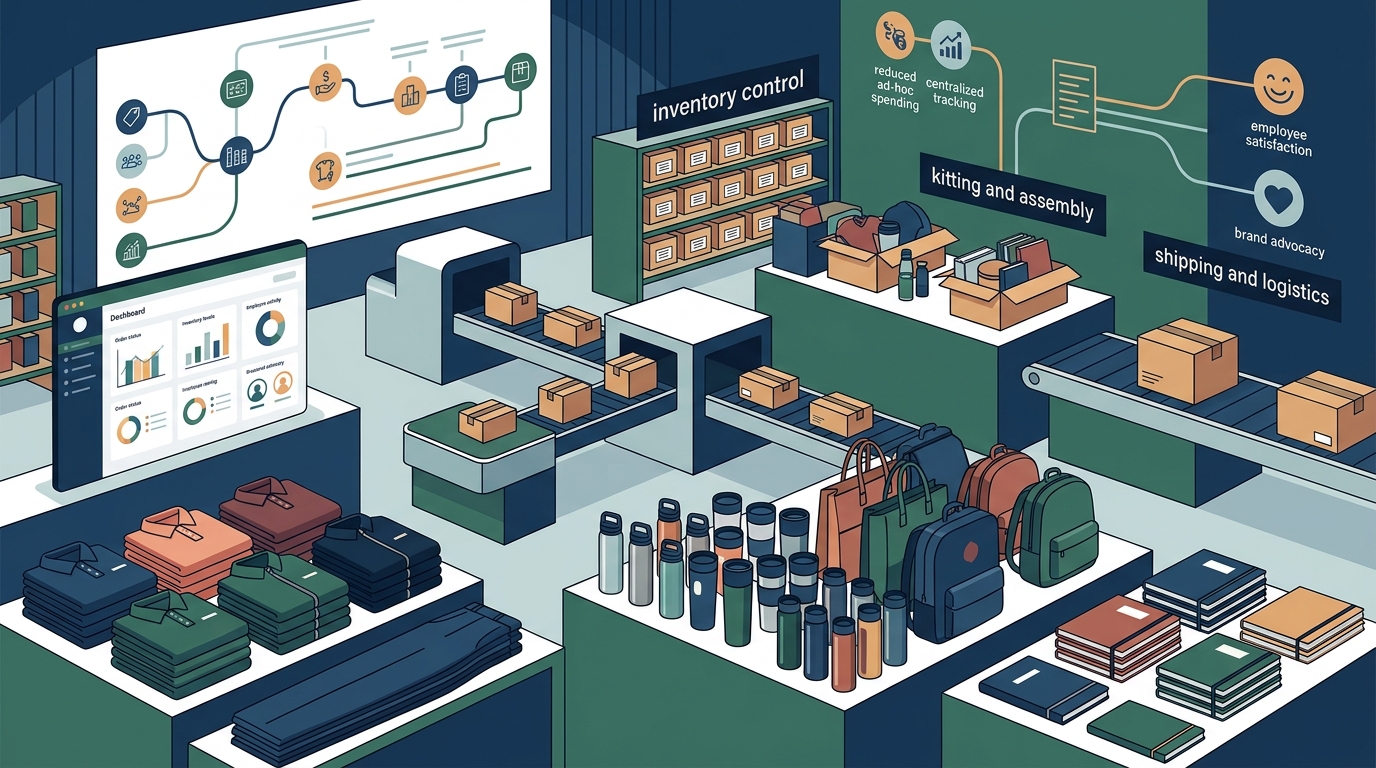
- Apparel: High-quality t-shirts, polos, and hoodies are the core of any merch store. Brands like Bella + Canvas and Next Level offer superior comfort and fit, which increases employee satisfaction.
- Tech Accessories: Items like phone cases, laptop sleeves, and power banks are highly valued in the digital workplace. Partnering with brands like OtterBox ensures durability and professional aesthetics.
- Eco-Friendly Options: Modern employees prioritize sustainability. Offer products made from recycled materials or sourced from ethical manufacturers. This aligns your brand with contemporary corporate social responsibility goals.
- Executive Gifts: For leadership and client appreciation, include premium items like crystal trophies or acrylic paper weights. These items convey prestige and long-term value.
Customization and Branding
Customization is the key differentiator between off-the-shelf items and true branded merchandise. Ensure your platform supports various decoration methods, including screen printing, embroidery, and direct-to-garment printing. Each method has distinct advantages regarding durability, cost, and design complexity. Screen printing is ideal for large orders with simple logos, while embroidery adds a premium touch to hats and polos. Consult with your vendor to determine the best approach for each product type.
Integration and Logistics
Seamless integration with your existing HR and finance systems is crucial for operational efficiency. Many modern platforms offer APIs that sync with payroll systems for direct billing or reimbursement. This eliminates the need for employees to pay out of pocket and seek reimbursement later. It also provides your finance team with clear, itemized reports for budget tracking.
Shipping and Fulfillment Strategies
Determine your fulfillment model based on your company's size and geographic distribution. You can choose to have items shipped directly to employees' homes or consolidated to a central office for distribution. Direct-to-home shipping is often preferred for remote teams, as it reduces administrative overhead. However, it requires accurate address management and robust tracking capabilities. Ensure your vendor provides real-time tracking updates to keep employees informed.
Quality Control and Returns
Implement a clear quality control process before items are shipped. This may involve approving digital proofs or receiving sample units for inspection. Establish a straightforward return or exchange policy for defective items. A hassle-free return process demonstrates your commitment to employee satisfaction and brand integrity. Work with your vendor to define these protocols clearly in your service agreement.
Launch and Employee Adoption
A successful launch requires more than just setting up the store. You must actively promote the platform to drive adoption. Communicate the value proposition clearly to your employees. Highlight the quality of the products, the ease of use, and the benefits of wearing branded gear. Use internal communication channels like email newsletters, intranet posts, and town hall meetings to generate excitement.
Marketing Your Internal Store
Create a launch campaign that includes sneak peeks of the catalog, testimonials from early adopters, and special introductory offers. Consider hosting a virtual or in-person event where employees can browse the store and ask questions. Encourage managers to lead by example by wearing branded apparel and promoting the store to their teams. This top-down approach helps normalize the use of the platform and builds momentum.
Feedback and Iteration
After the launch, actively solicit feedback from employees. Use surveys or focus groups to understand what they like and what could be improved. Monitor store analytics to identify popular items and underperforming categories. Use this data to refine your catalog and marketing strategies. Continuous improvement ensures that your company store remains relevant and valuable to your workforce.
Key Takeaways
- A centralized company store enhances brand visibility and employee engagement through consistent, high-quality merchandise.
- Partnering with established vendors like Footprint Promotional Advertising simplifies logistics and ensures product quality.
- Curating a diverse catalog that includes apparel, tech accessories, and eco-friendly options meets varied employee preferences.
- Integration with HR and finance systems streamlines billing and reporting, reducing administrative burden.
- Active marketing and clear communication are essential for driving employee adoption and excitement.
- Continuous feedback and data analysis allow for ongoing optimization of the store's offerings and user experience.
- Quality control and robust return policies protect brand integrity and employee satisfaction.
Frequently Asked Questions
What is the primary benefit of a company store?
A company store centralizes merchandising, ensuring consistent branding while reducing administrative overhead for HR teams. It also increases employee satisfaction by offering a curated selection of high-quality items.
How do I choose the right promotional products vendor?
Evaluate vendors based on their product range, customization capabilities, shipping reliability, and integration options. Review their company history and client testimonials to gauge reliability.
Can I customize the store's appearance?
Yes, most specialized platforms allow you to customize the store's look and feel to match your brand identity, including logos, colors, and domain mapping.
How are employee orders tracked?
Orders are typically tracked through the vendor's platform, with real-time updates sent to both the employee and the company administrator. This ensures transparency and timely delivery.
What types of products are best for a company store?
High-utility items like apparel, tech accessories, and eco-friendly products are most popular. Avoid generic items that employees are unlikely to use.
How do I handle returns or exchanges?
Establish a clear policy with your vendor for defective or incorrect items. Ensure the process is simple and transparent to maintain employee trust.
Is integration with HR systems possible?
Many modern platforms offer APIs that integrate with HR and finance systems for seamless billing, reimbursement, and reporting.
Ready to Build Your Branded Ecosystem?
Transform your corporate culture with a professional, scalable company store. Partner with experts who understand the nuances of promotional products and brand integrity. Contact our team today to discuss your specific needs and get a customized quote. Let us help you create a merchandise experience that your employees will love and your clients will notice.